
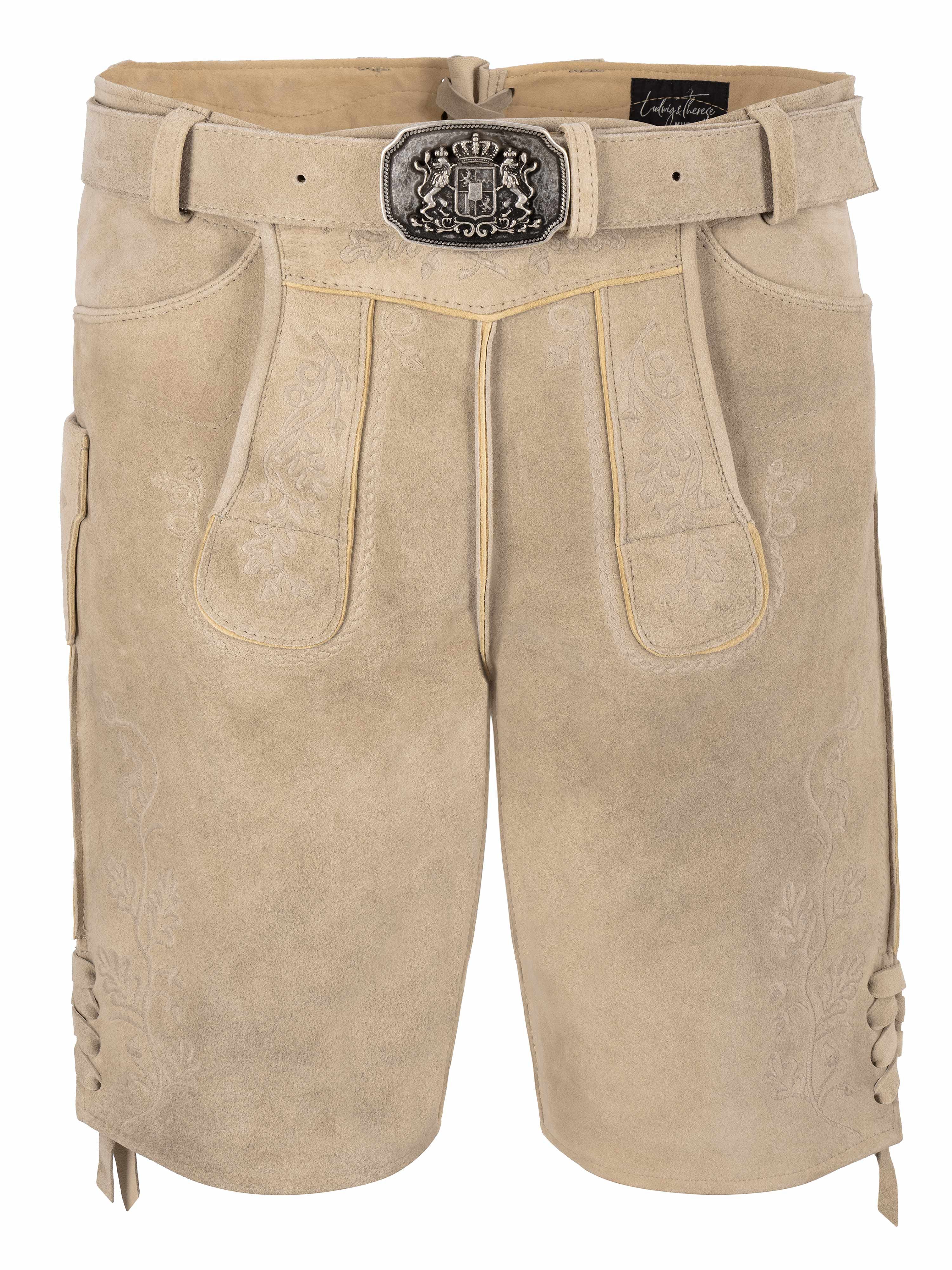
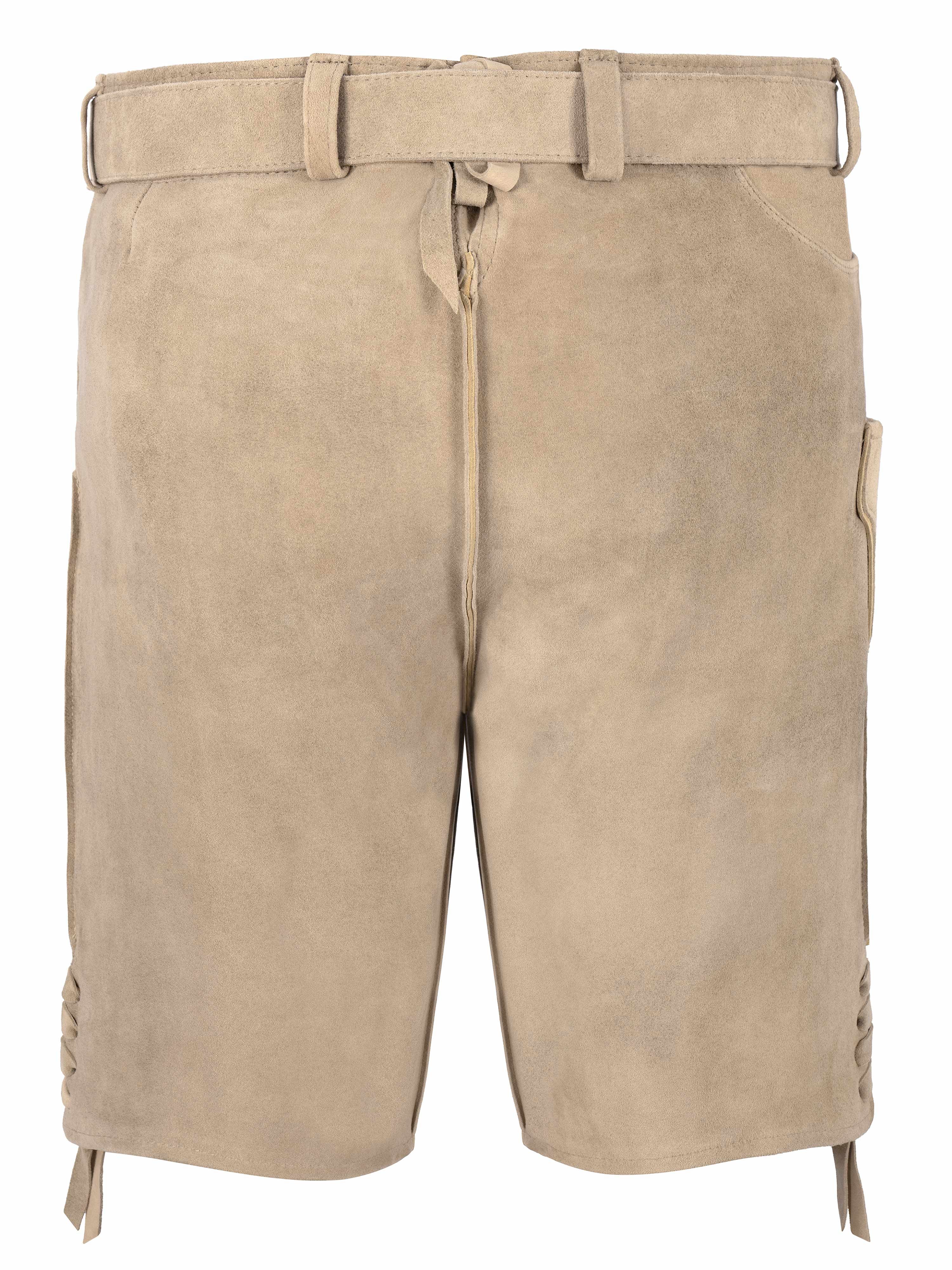
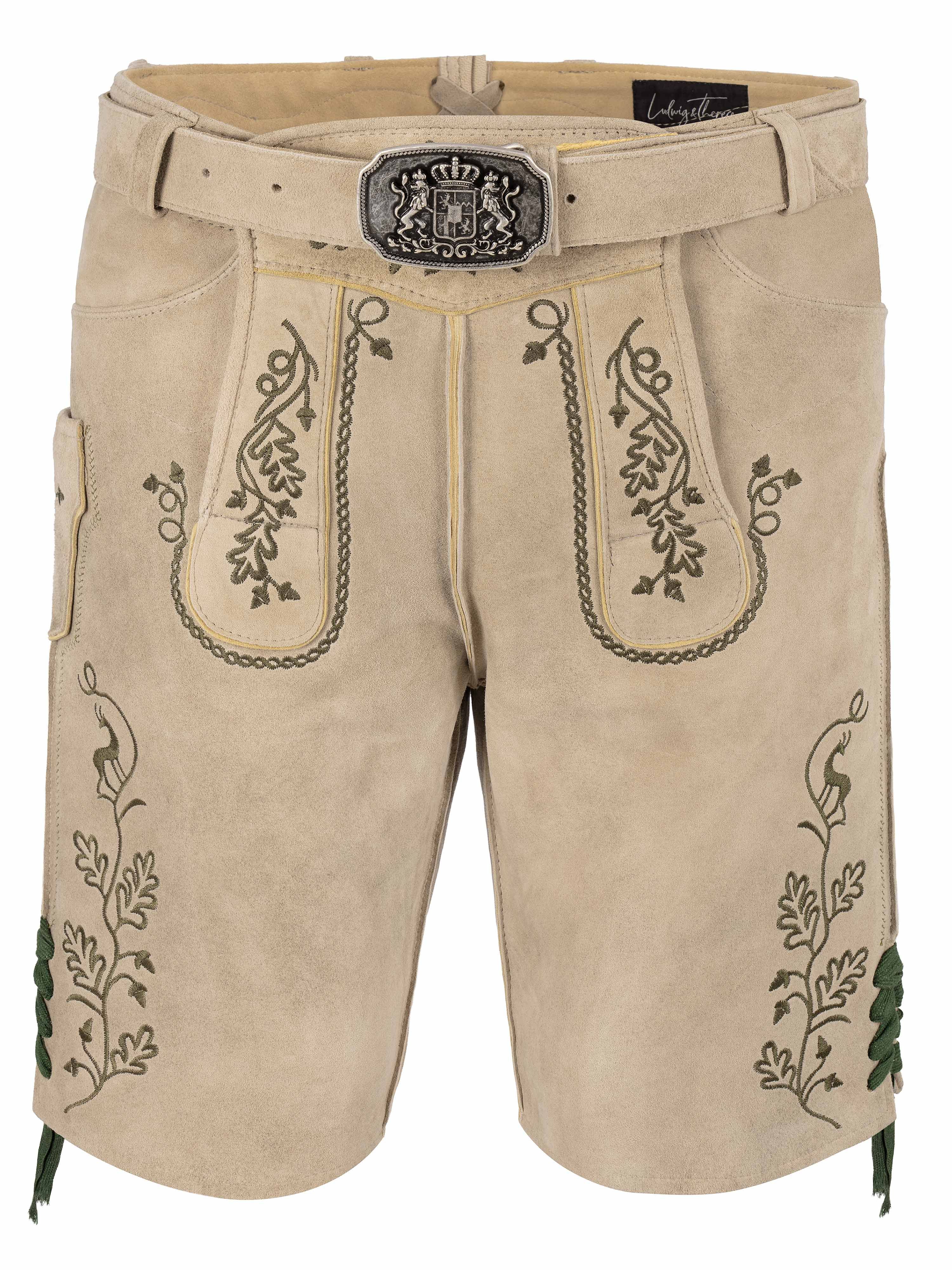
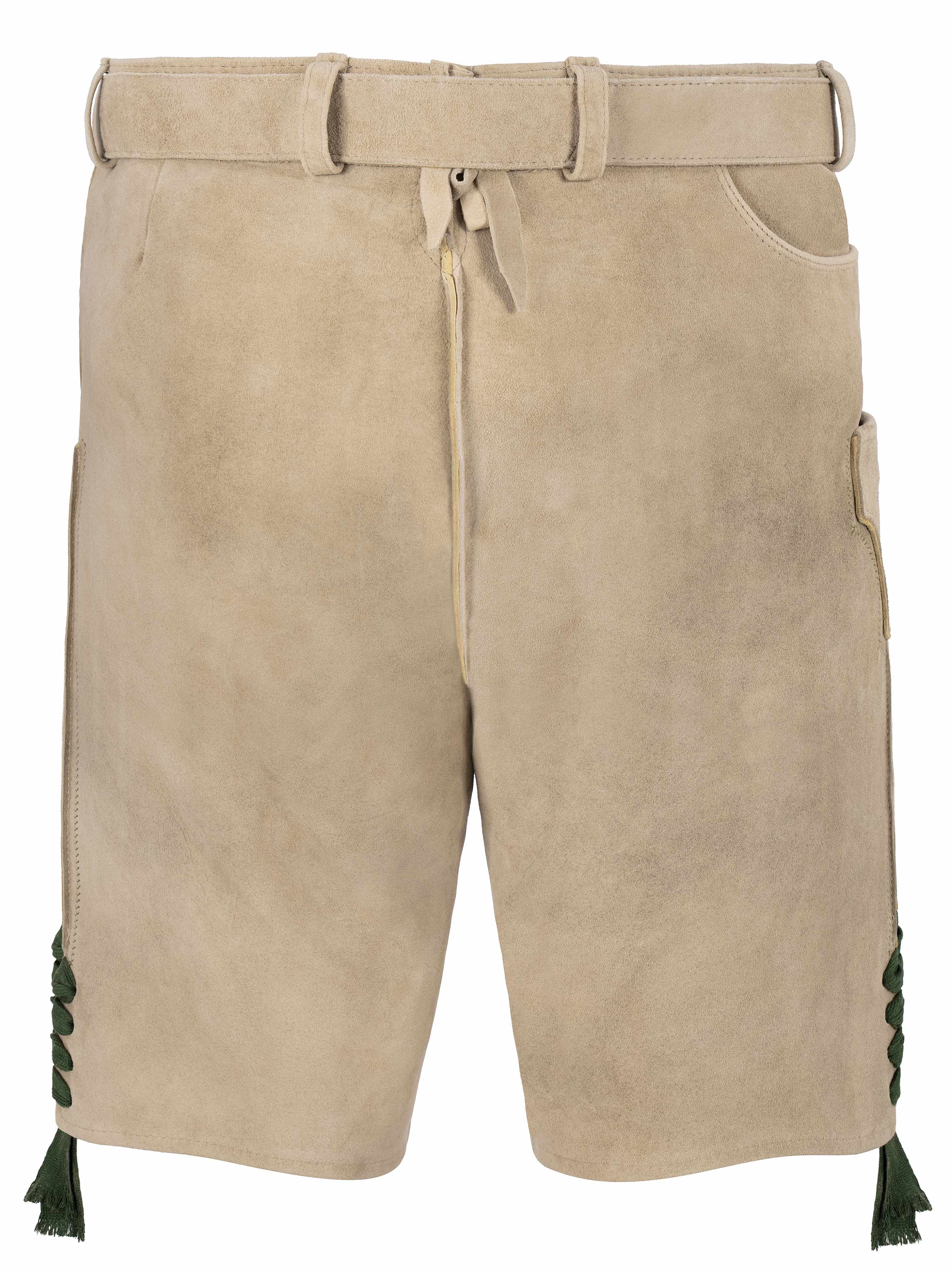
What a man! Traditional menswear for real guys
Essential for every man's wardrobe: Lederhosen and a trachtenshirt. These Oktoberfest staples are a definite must-have for stylish Bavarian men. Here, Bavarian lads—and those who wish they were—can exclusively order Lederhosen and traditional shirts from Ludwig & Therese online.
Not just for Oktoberfest
Trachten menswear is trending. That makes these garments an absolute must-have—and not just for Oktoberfest. You can wear Lederhosen, trachtenshirts, and traditional jackets for many other occasions, too, such as weddings, holidays, or simply a pleasant evening in a beer garden. What’s more, traditional fashion is far more versatile than you might think, as conventions are no longer as strict as they used to be. Fashion-conscious men—especially the younger generation—also love combining traditional pieces with everyday clothing. Why not give it a try yourself? Pair your Lederhosen with a graphic T-shirt or wear your traditional shirt with a pair of jeans.
Lederhosen – A Piece of Bavarian Heritage
Who isn’t familiar with Lederhosen — that quintessential traditional Bavarian attire? But where do they actually come from? In fact, the history of Lederhosen stretches back more than 200 years. While the Lederhosen we know today did not yet exist in the 17th century, their predecessor was the most popular type of trousers on the European market. At the time, the French culotte was replacing the baggy breeches worn by farmers and becoming the new standard workwear in rural areas. The material—already known for its durability—was derived from the hides of domesticated farm animals such as goats and sheep. Hunting wild game was still the exclusive privilege of the nobility back then, meaning it was much later before Lederhosen made of deerskin became available to the non-noble population. In August 1883, five friends who met regularly at a local pub founded the first traditional trachten association (Trachtenverein); this move came after Lederhosen had been increasingly displaced by Loden (boiled wool) garments throughout the 19th century. Initially, the friends were mocked by locals and the church, but they managed to win over a prominent supporter: King Ludwig II, who was particularly fond of the idea of a Bavarian folk costume. In the years that followed, the nobility even hosted "peasant-style weddings" where representatives of noble houses wore lavish, custom-made traditional outfits. Once King Maximilian II—Ludwig’s father—appeared in *Lederhosen* and a traditional jacket while hunting, and issued a decree urging district authorities to establish associations dedicated to preserving traditional dress, the church finally relented. From that point on, there was no stopping the trend, and Lederhosen enjoyed ever-growing popularity across Germany and Austria. That popularity remains undiminished to this day; even outside of Oktoberfest season, one can see happy people in Bavaria and the surrounding Alpine region proudly wearing their traditional attire.