
The Dirndl: A Stunning Blend of Tradition and Modernity

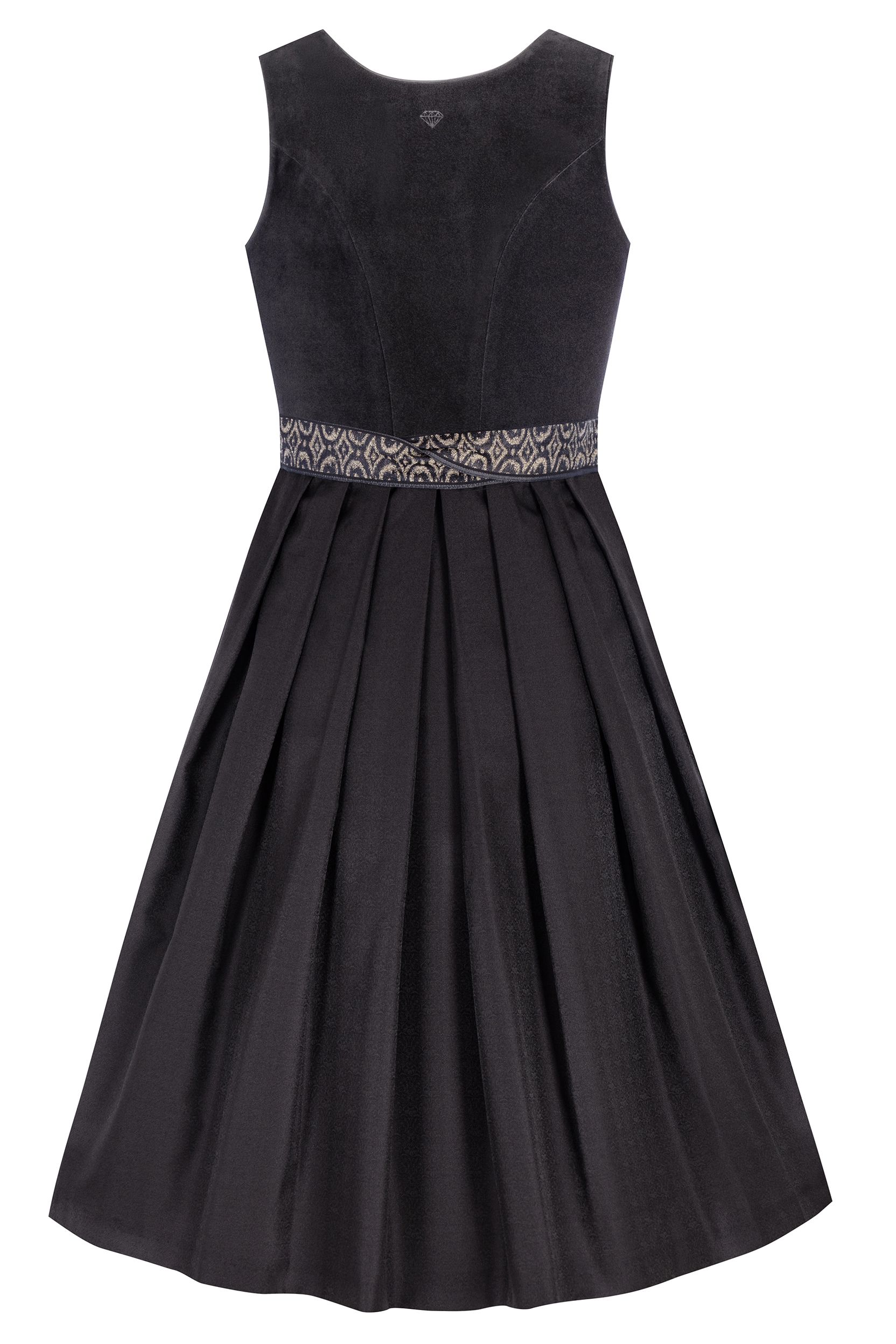
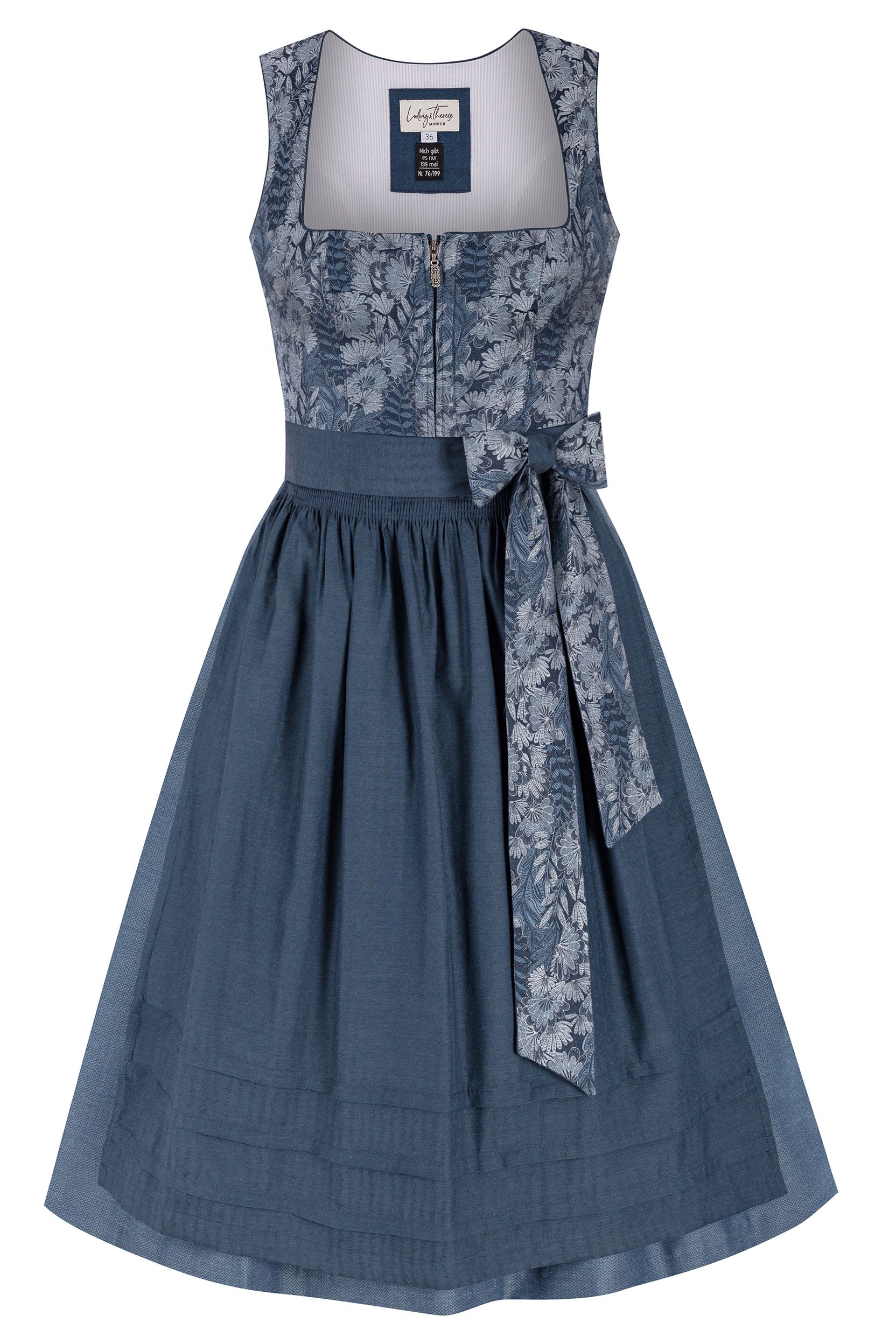
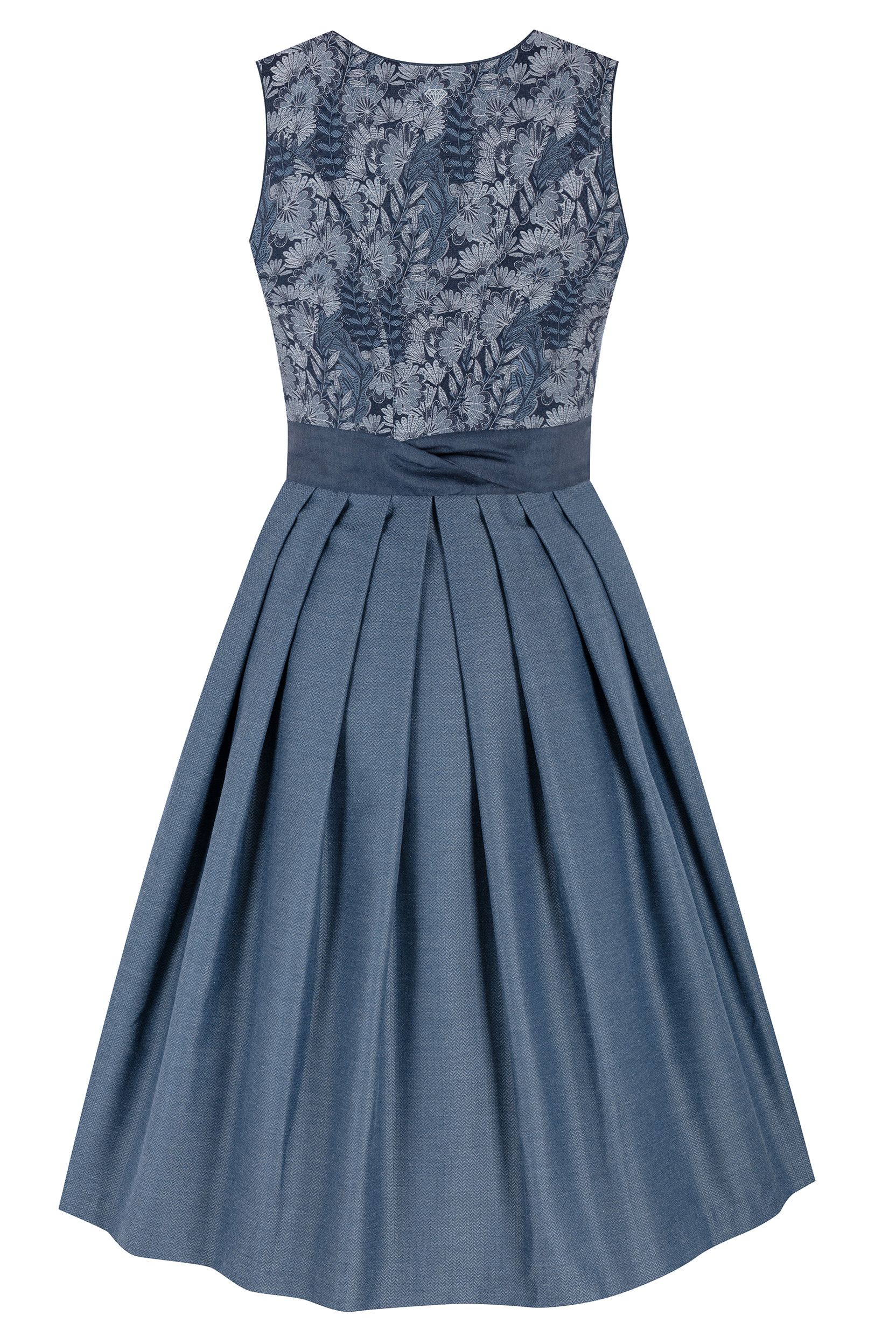
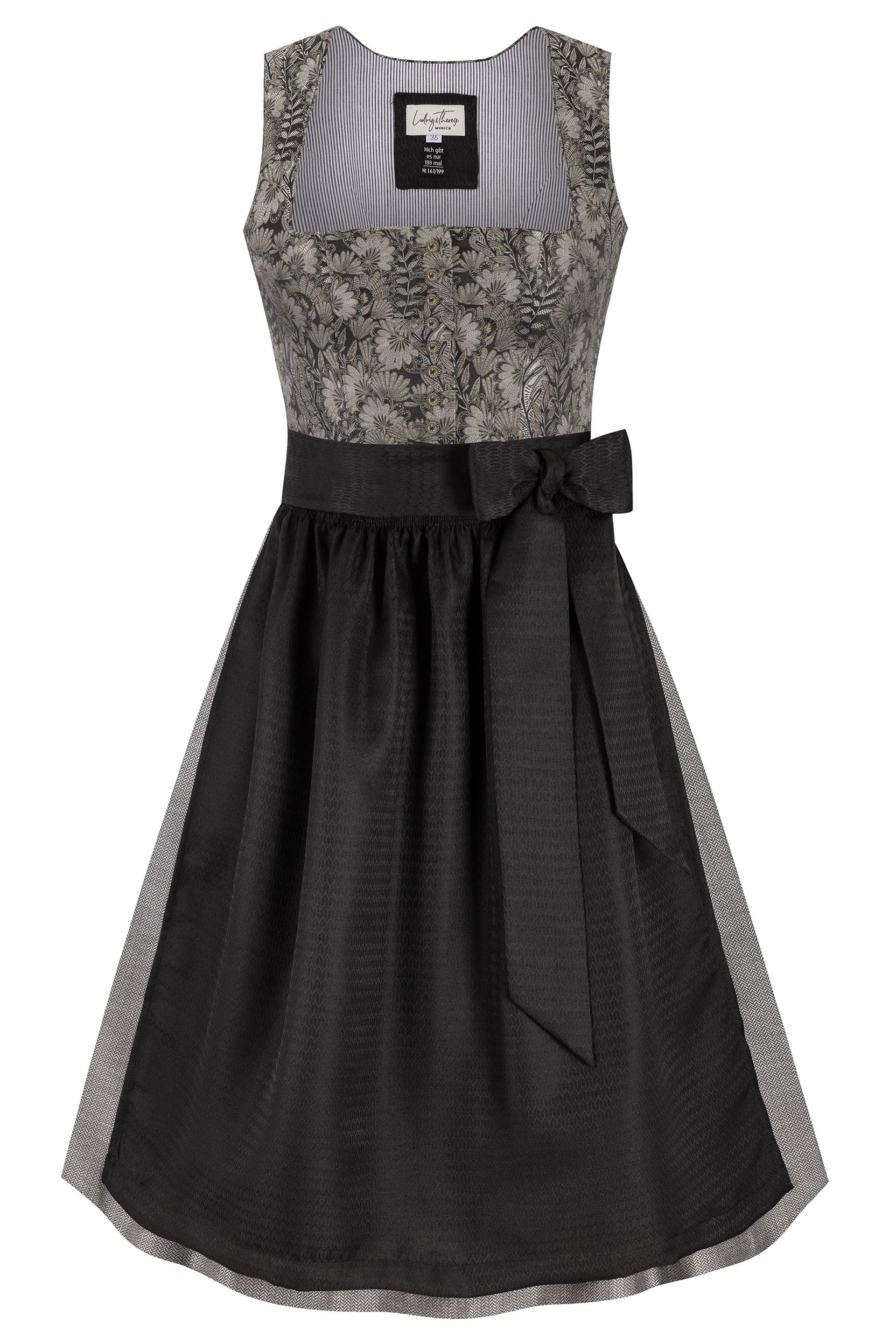
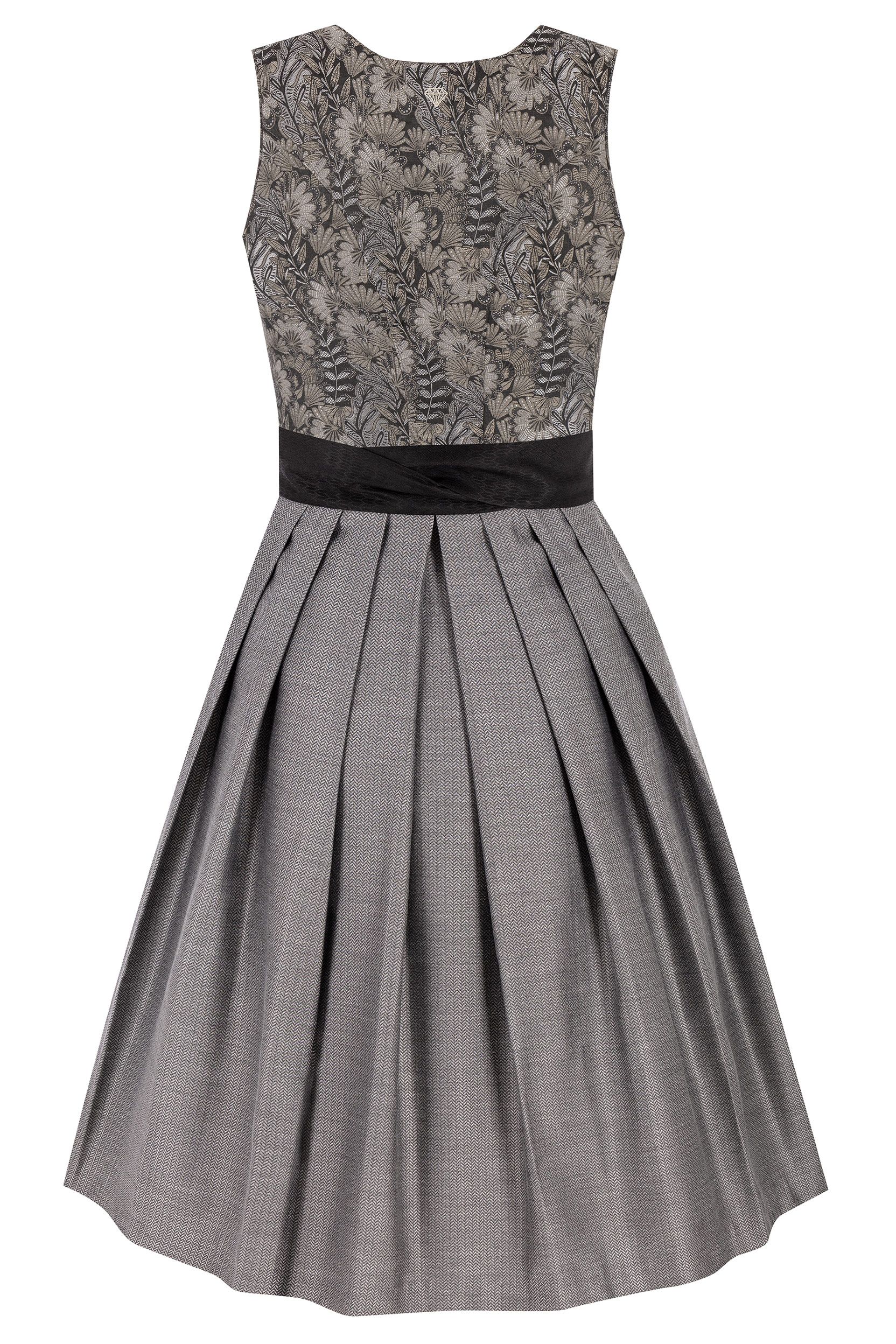
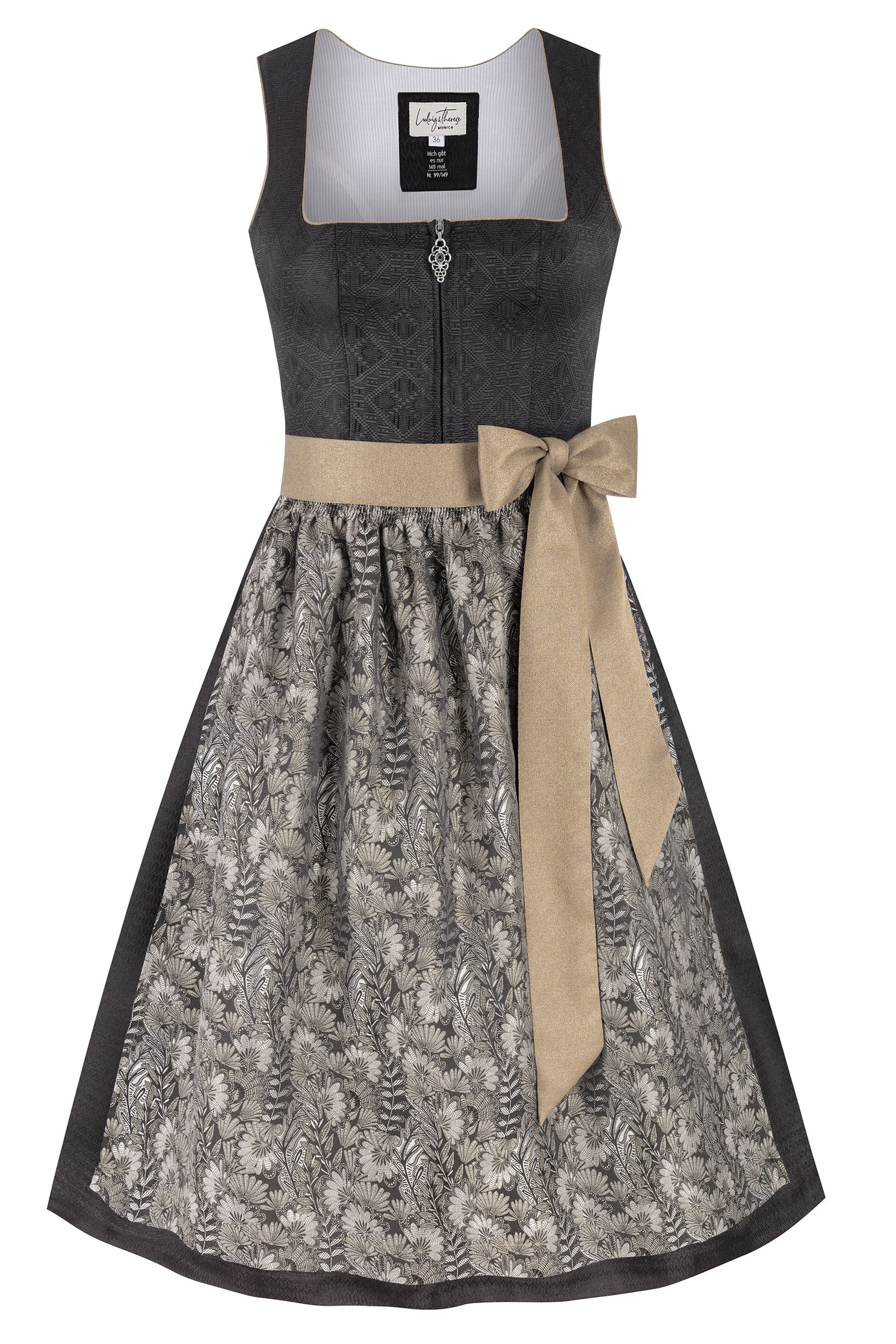
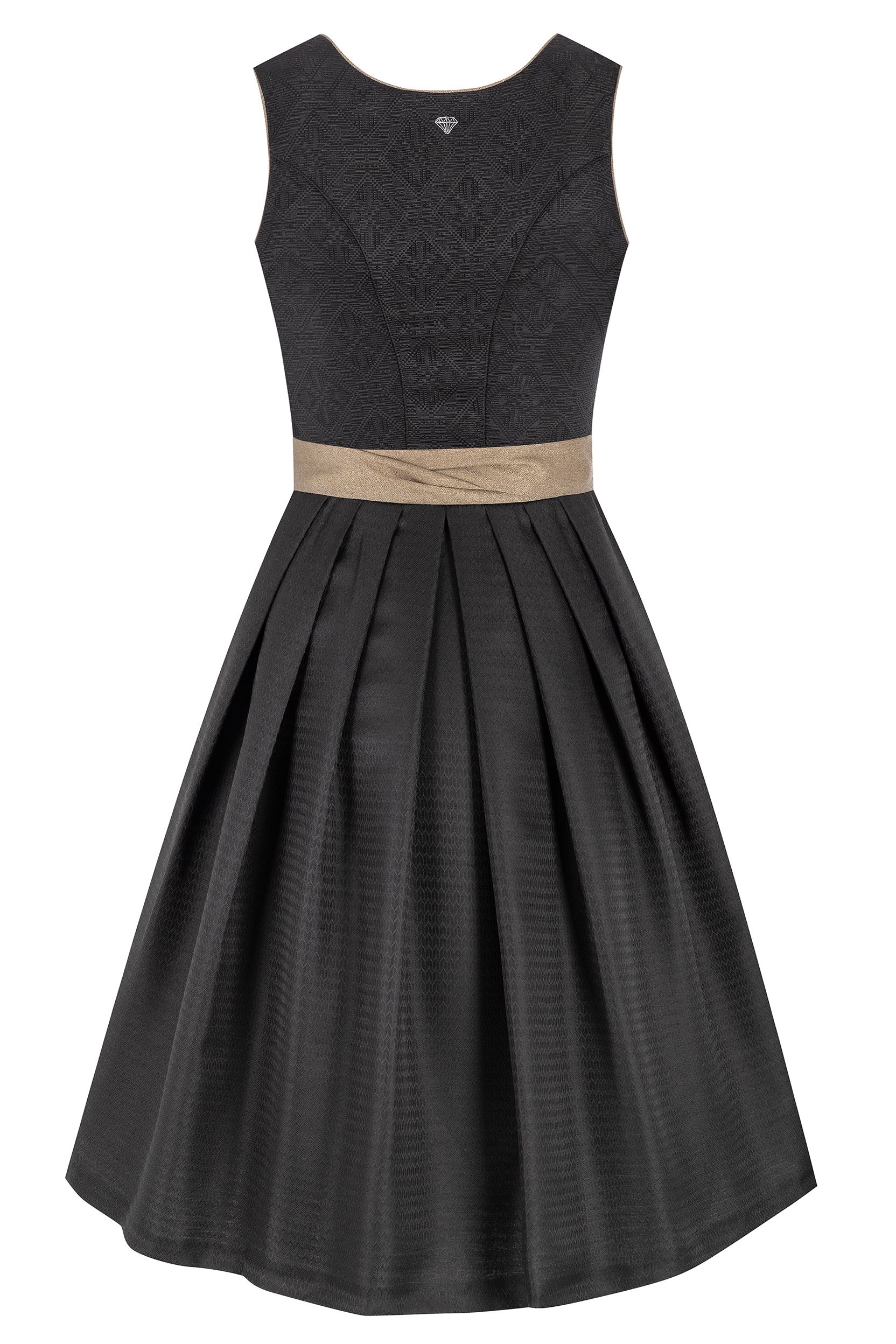
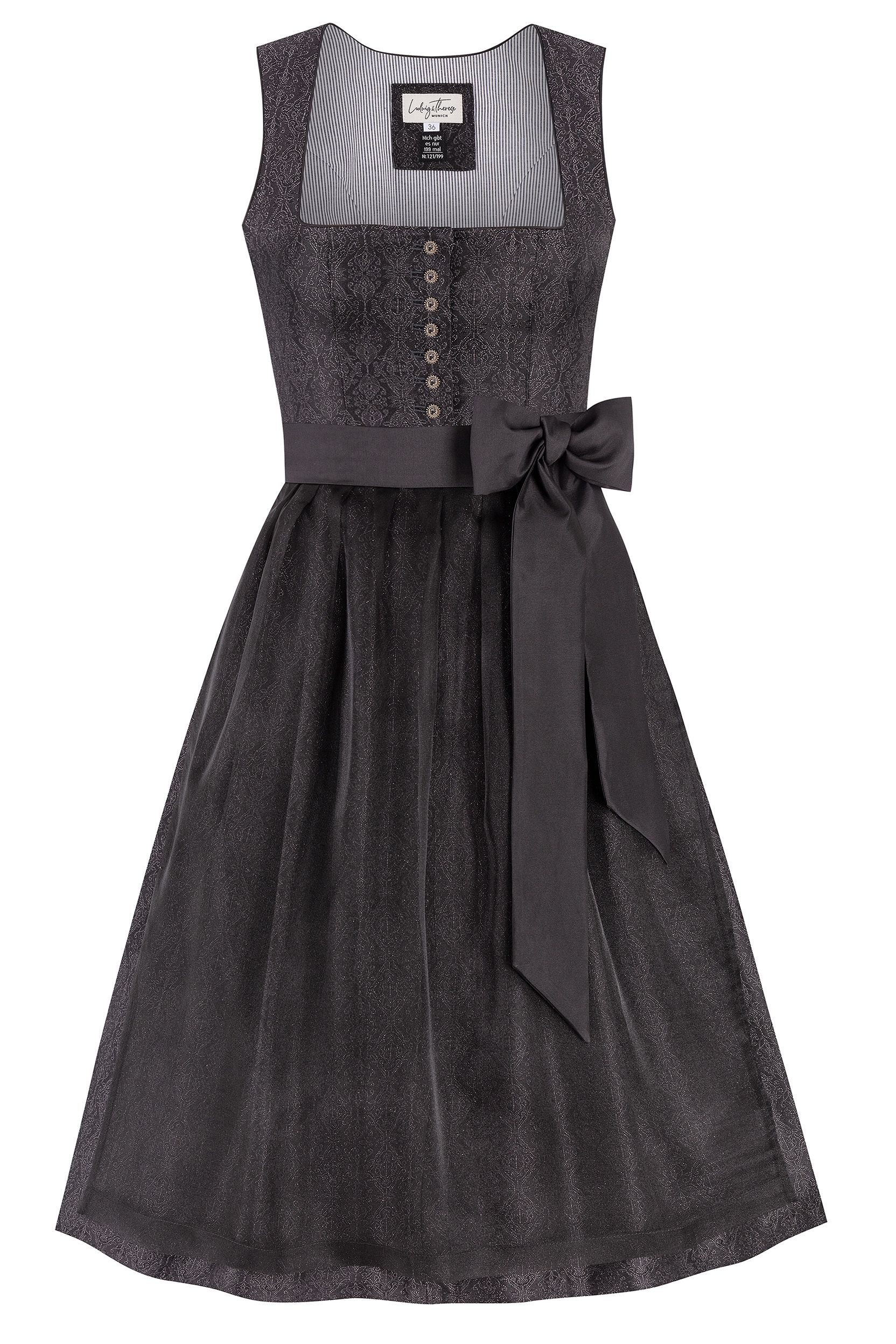
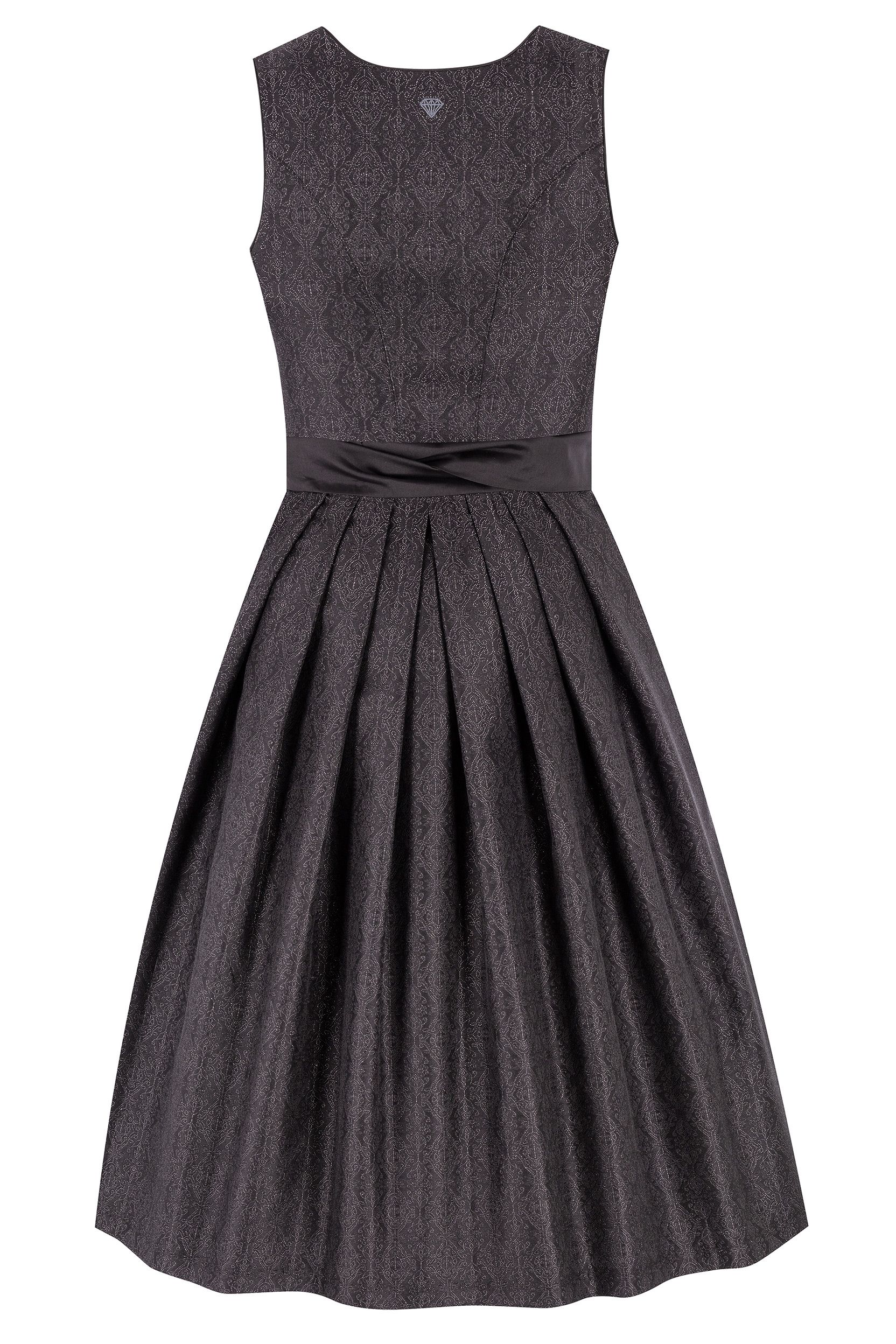
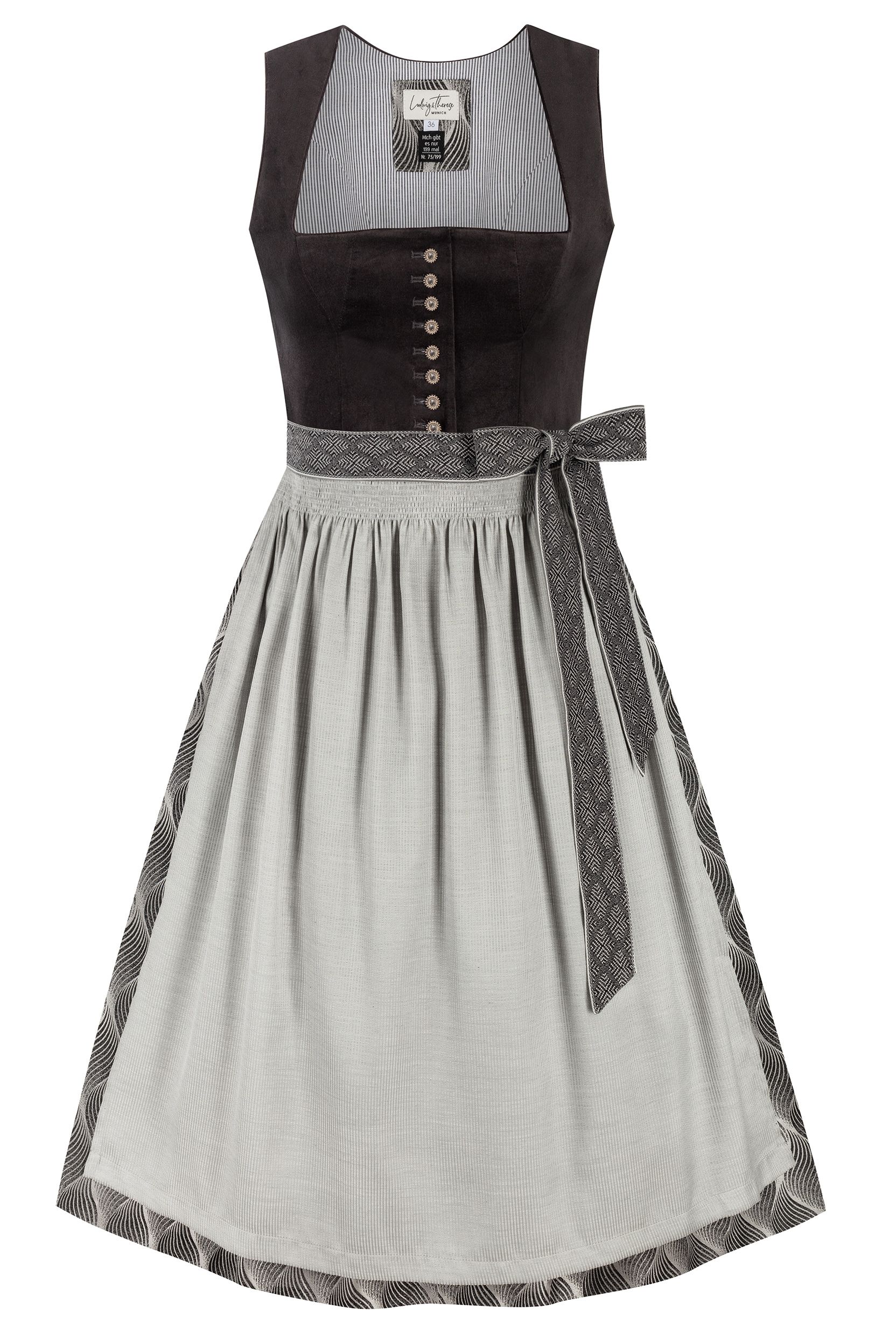
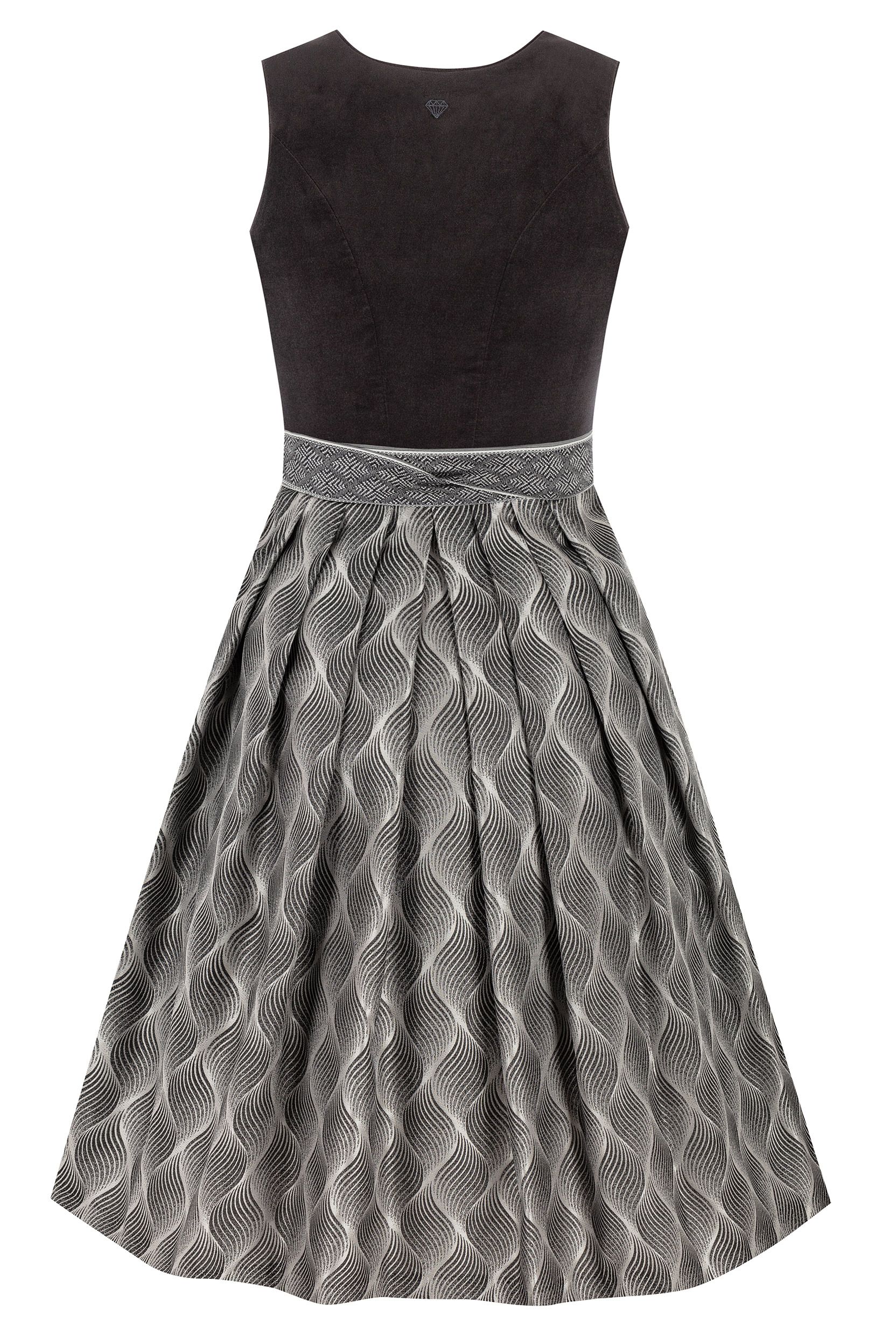
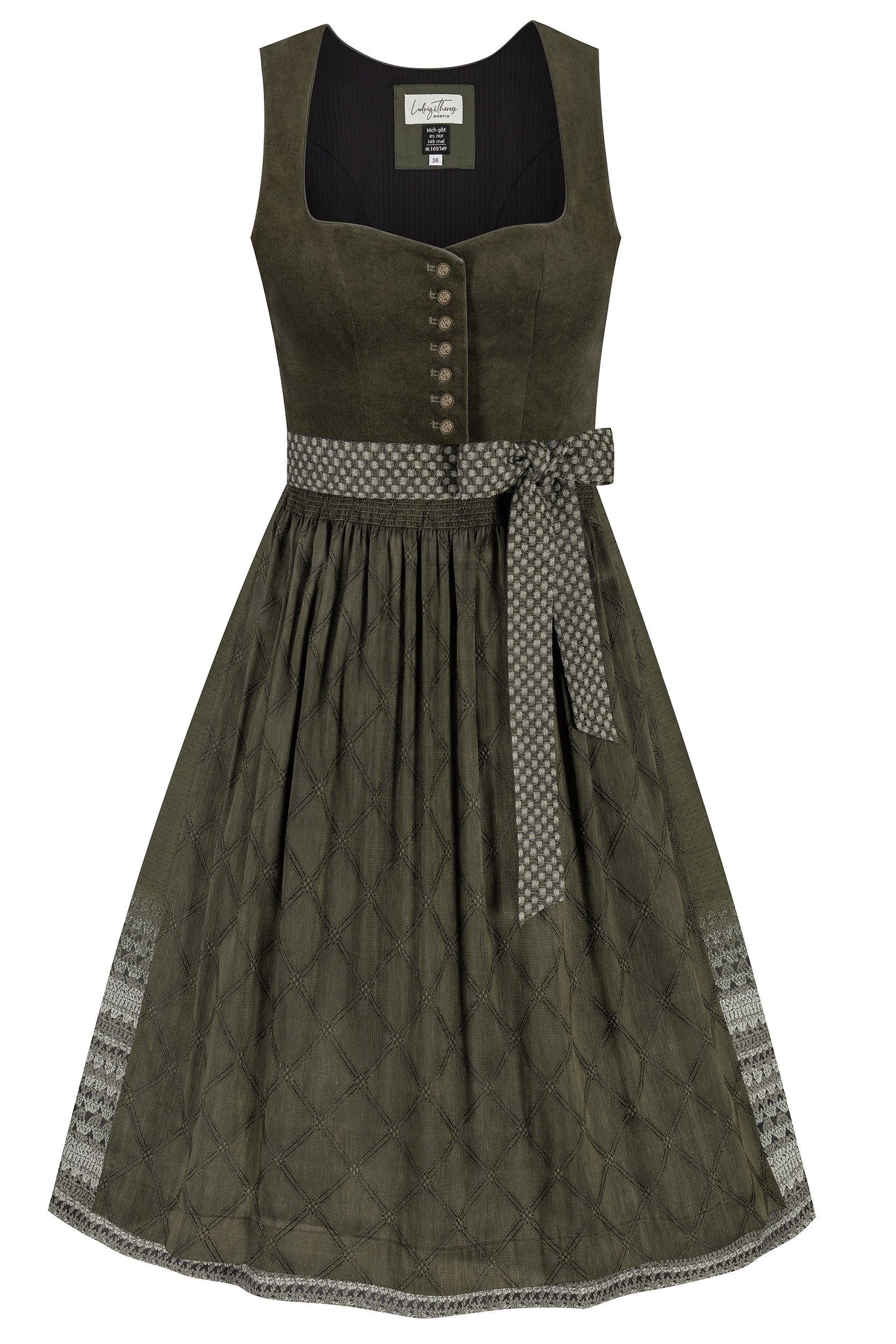
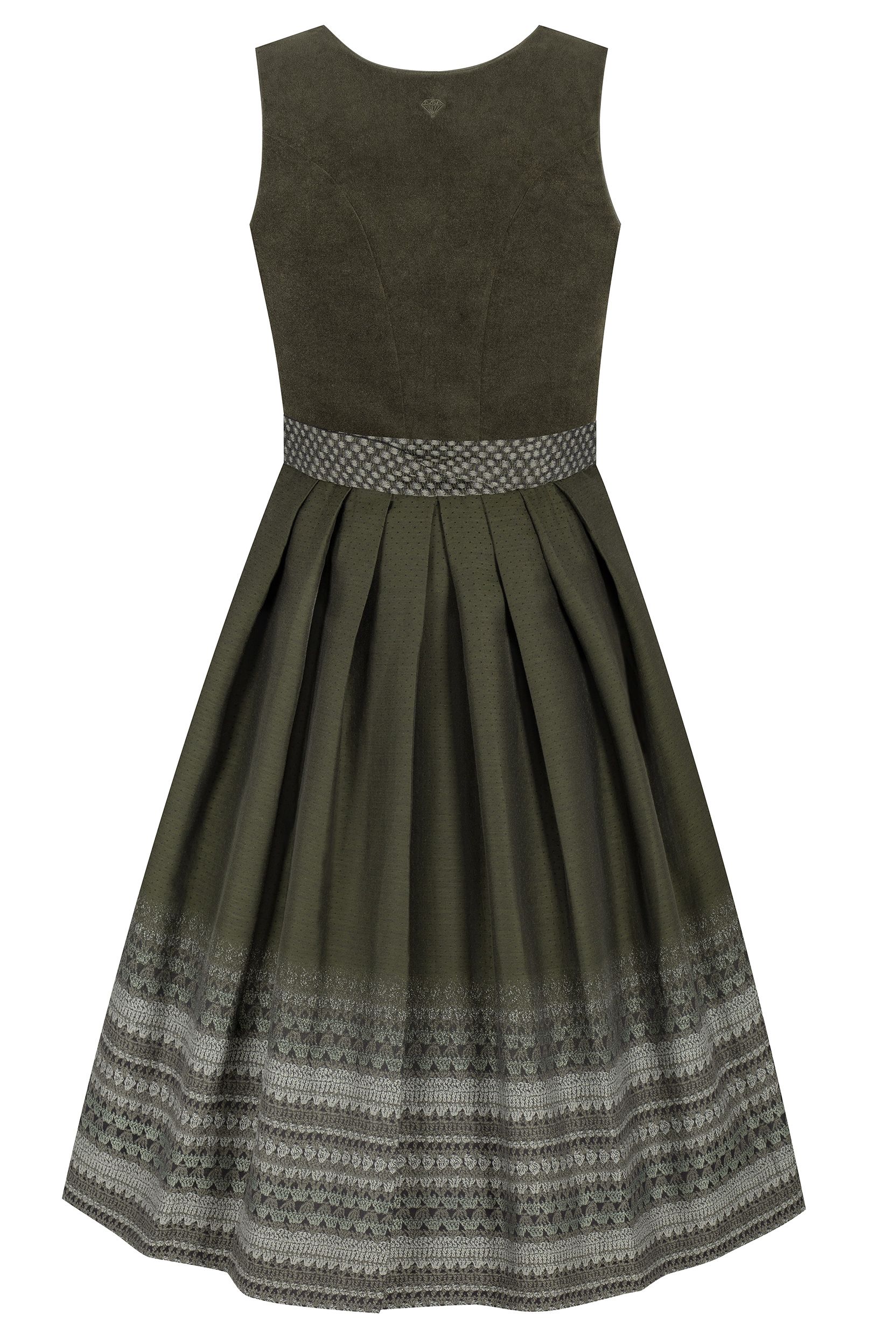
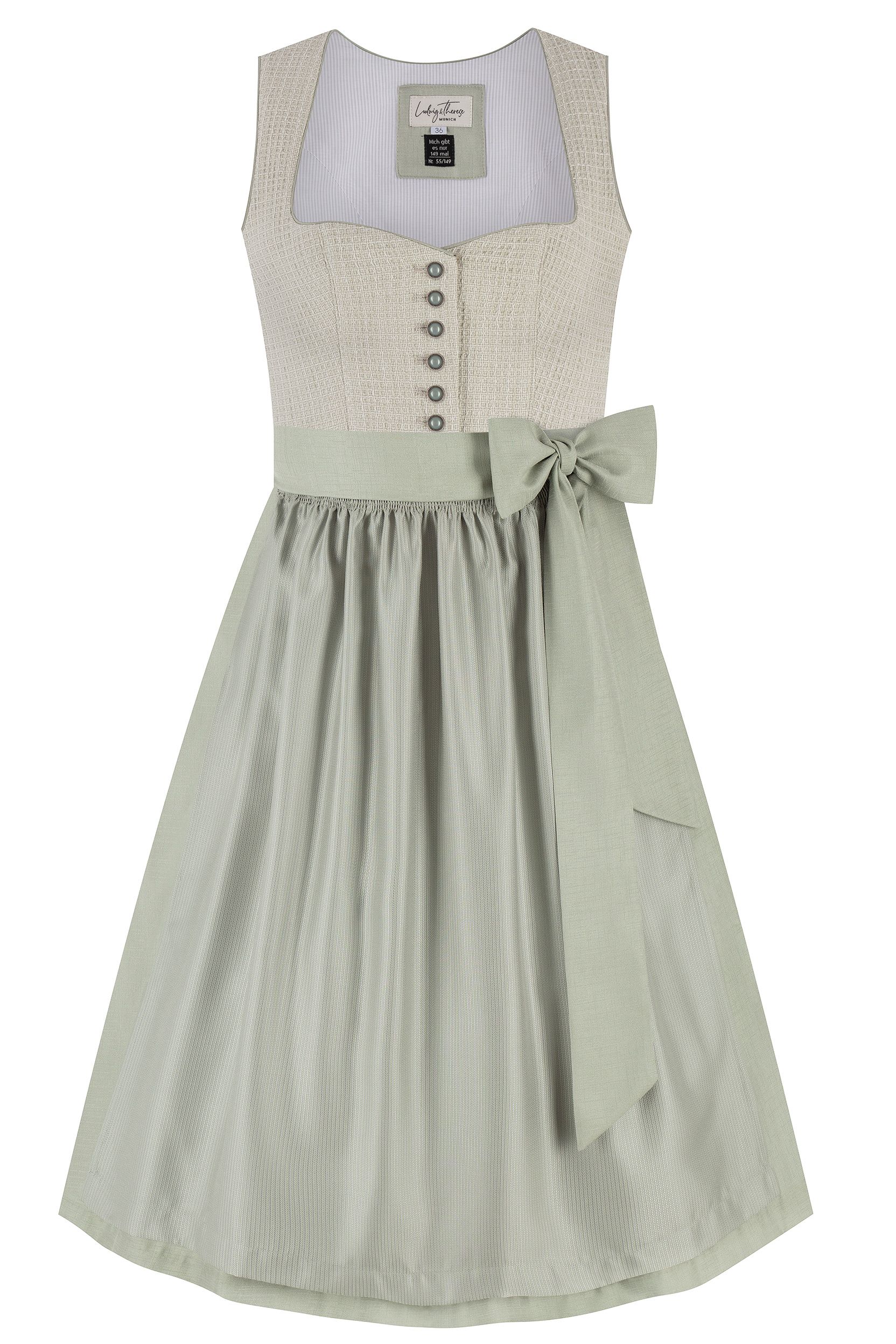
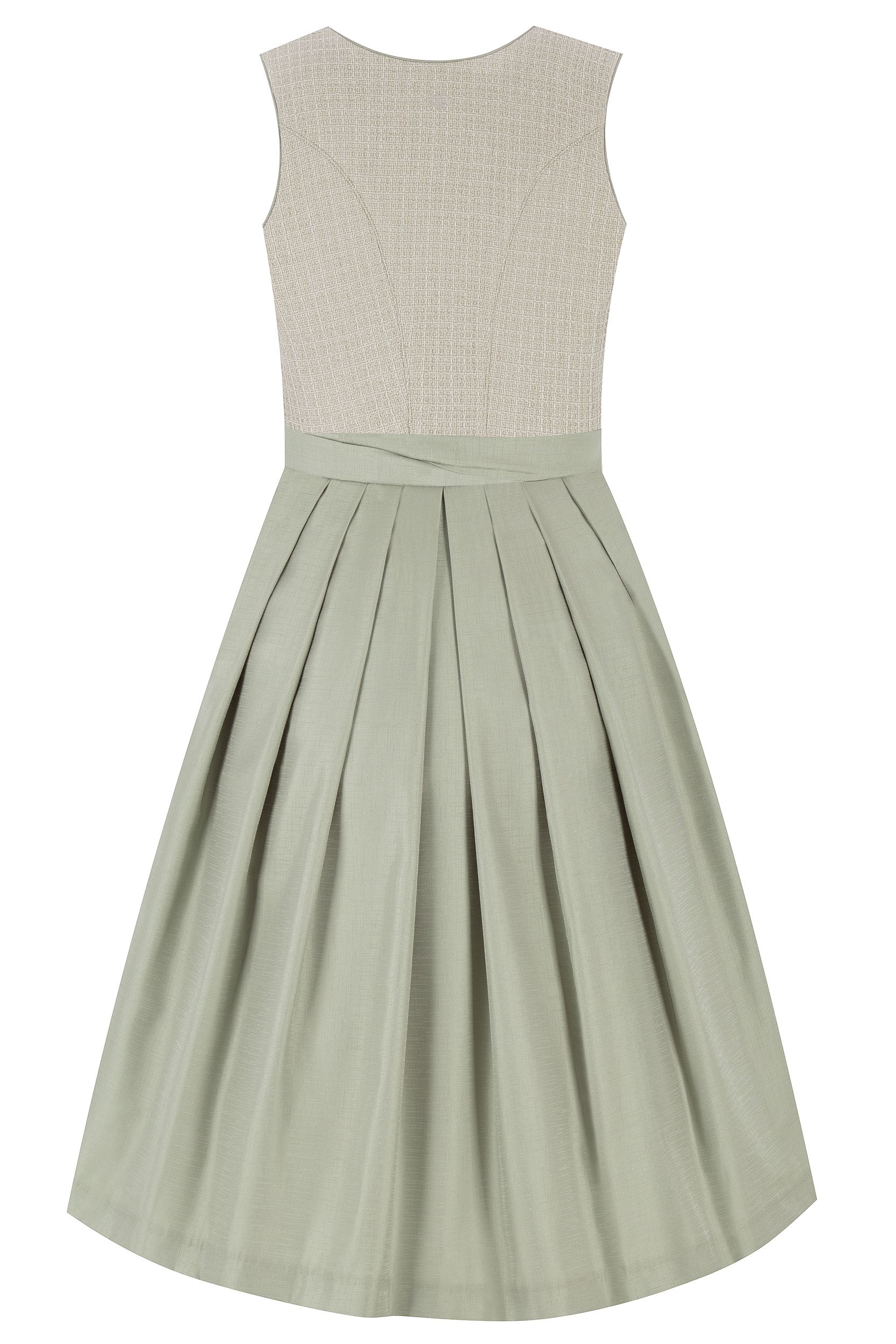
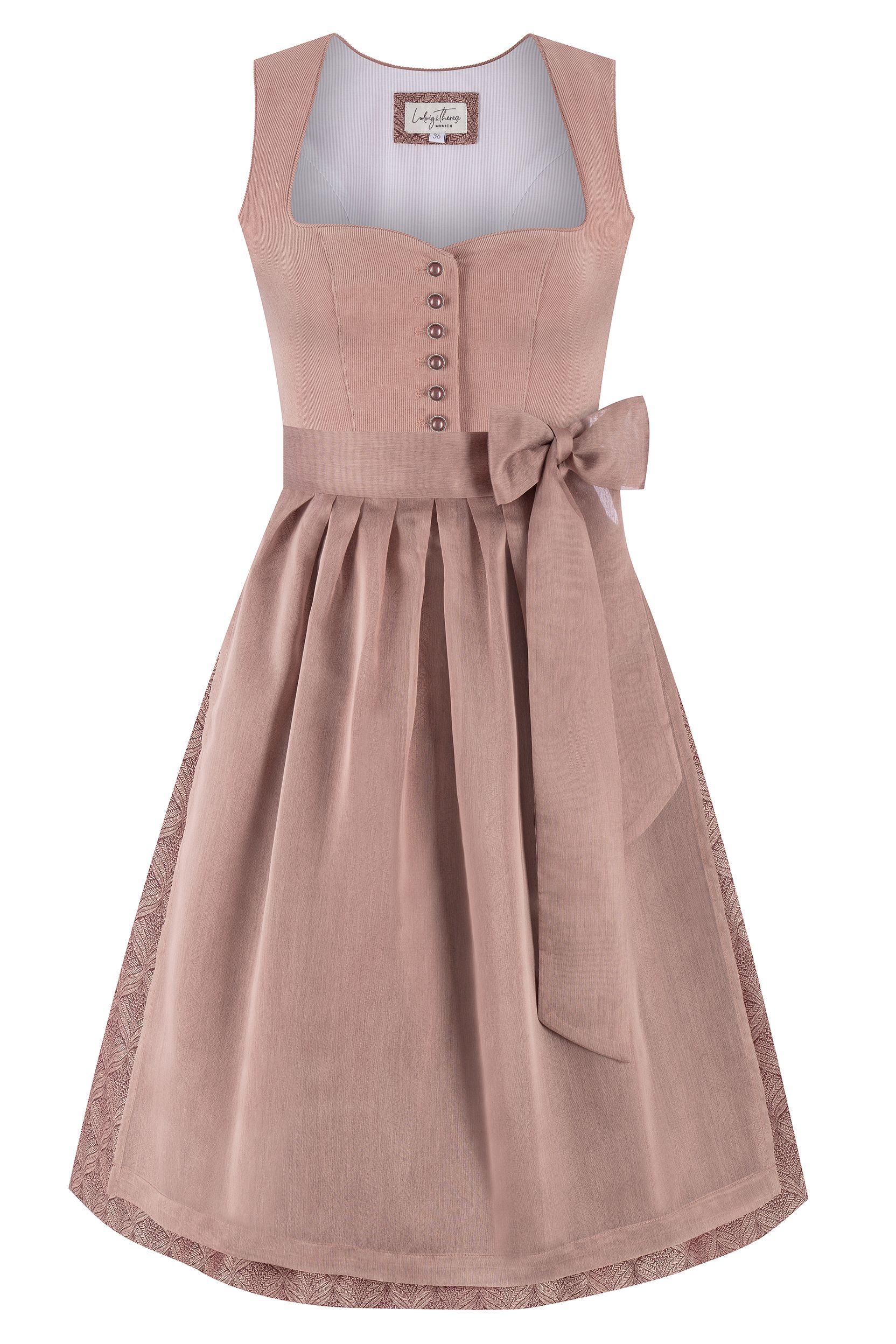
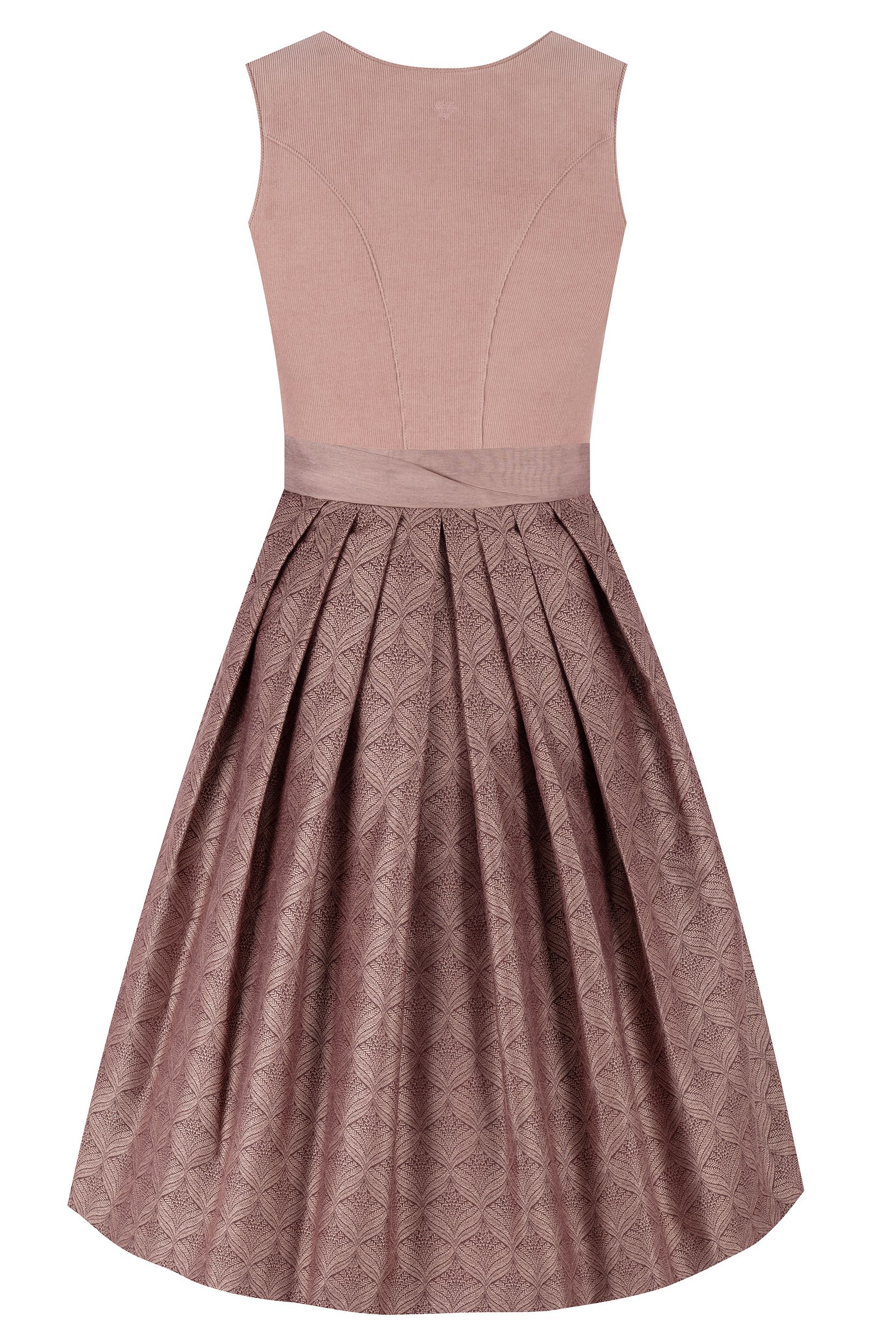
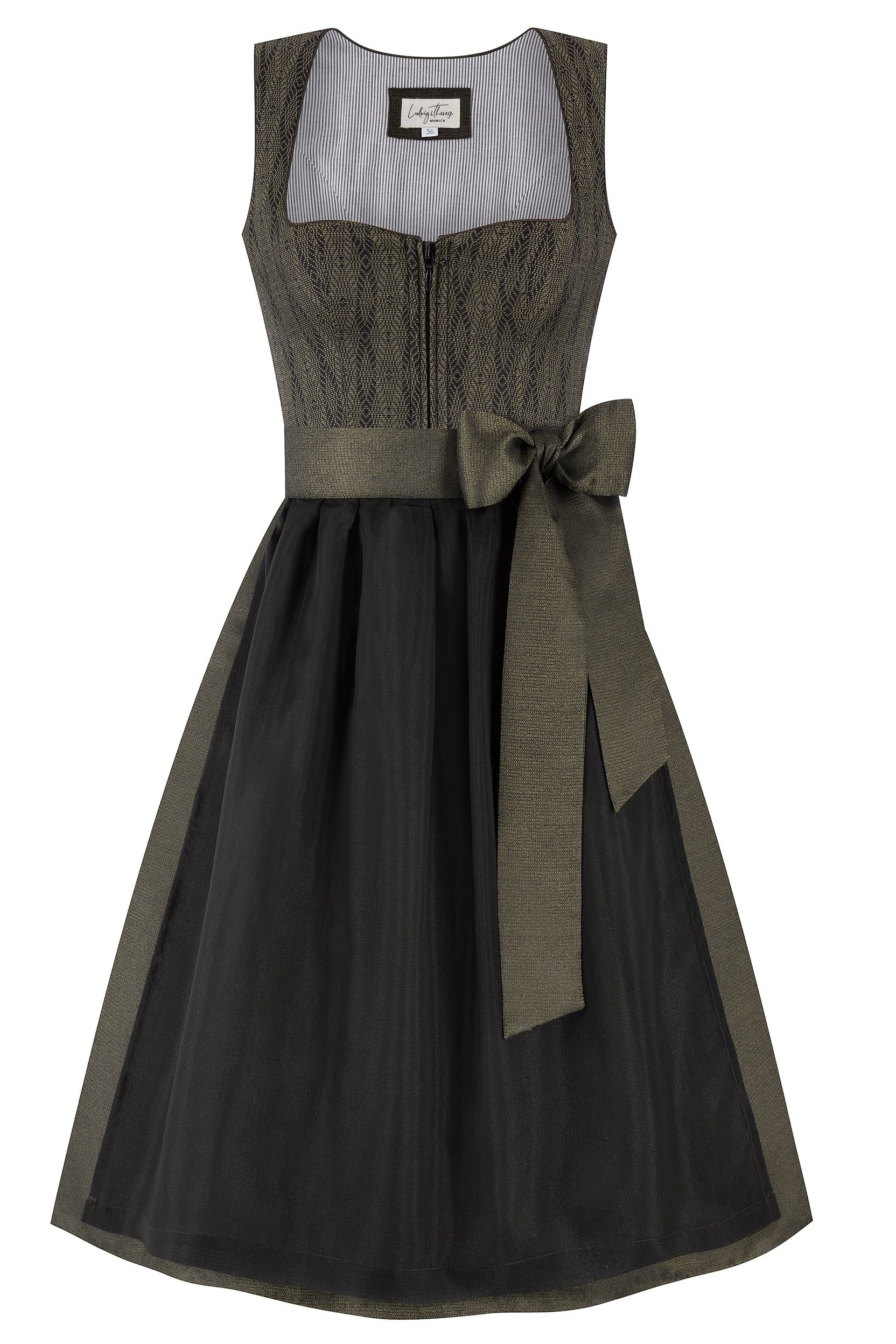
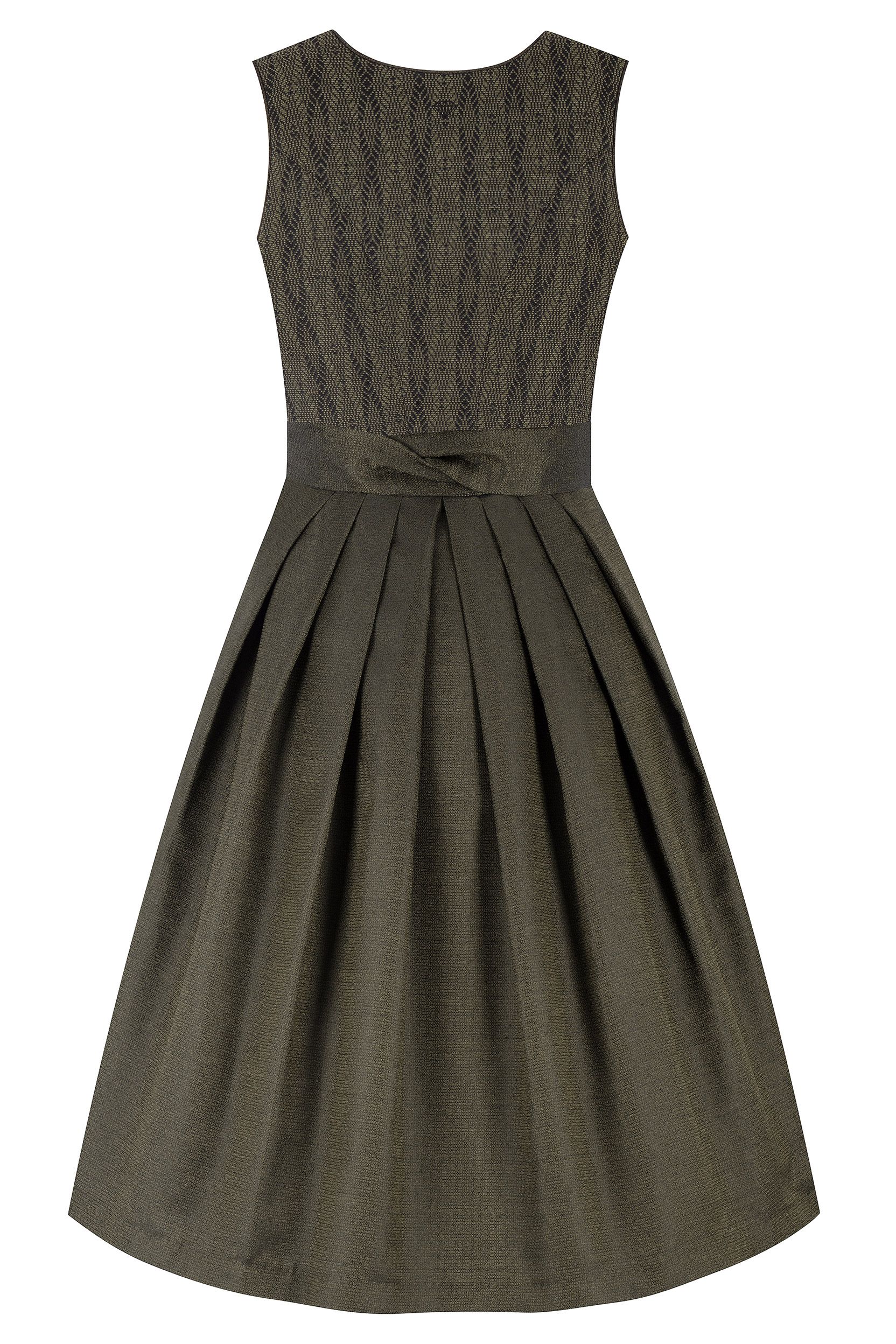


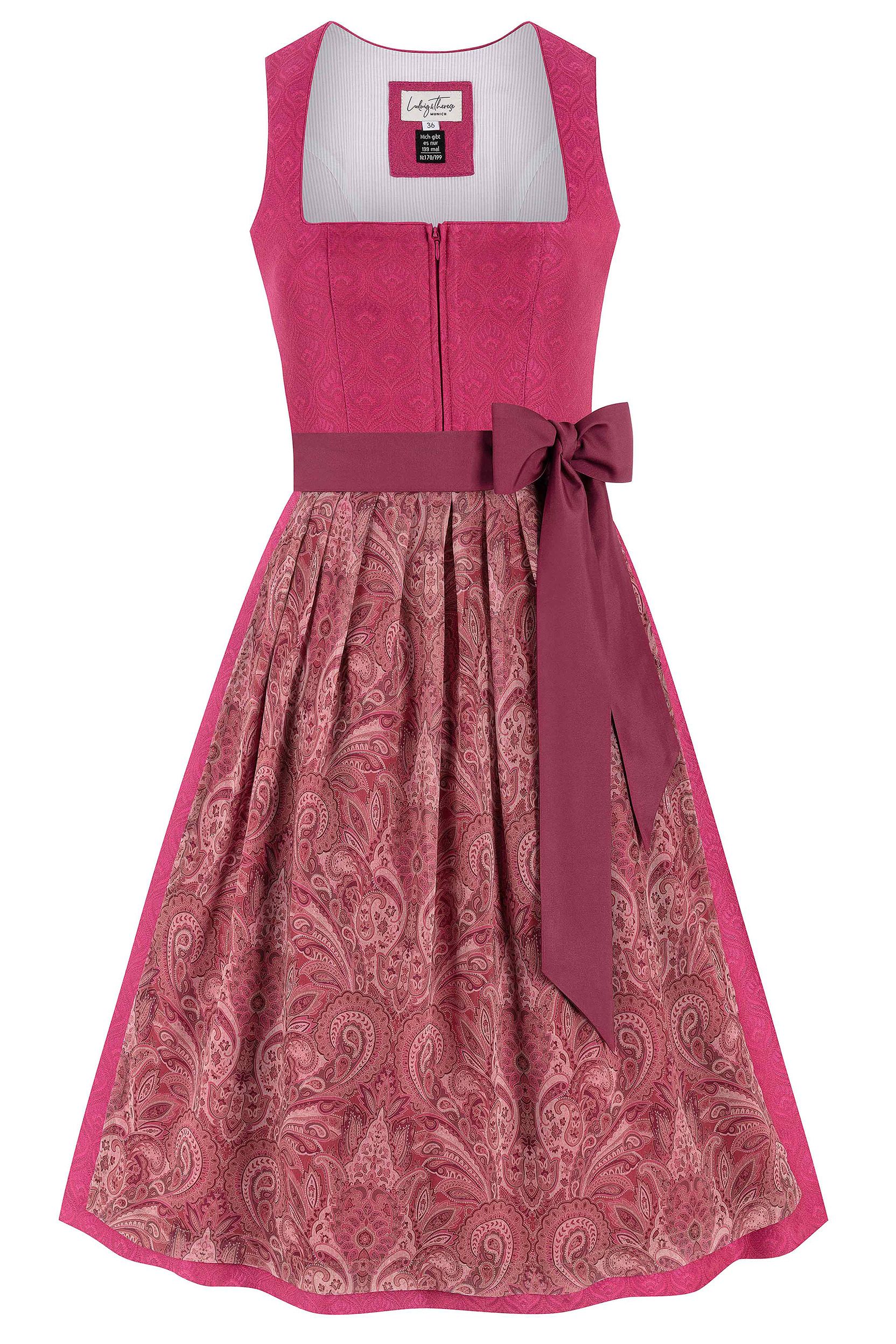

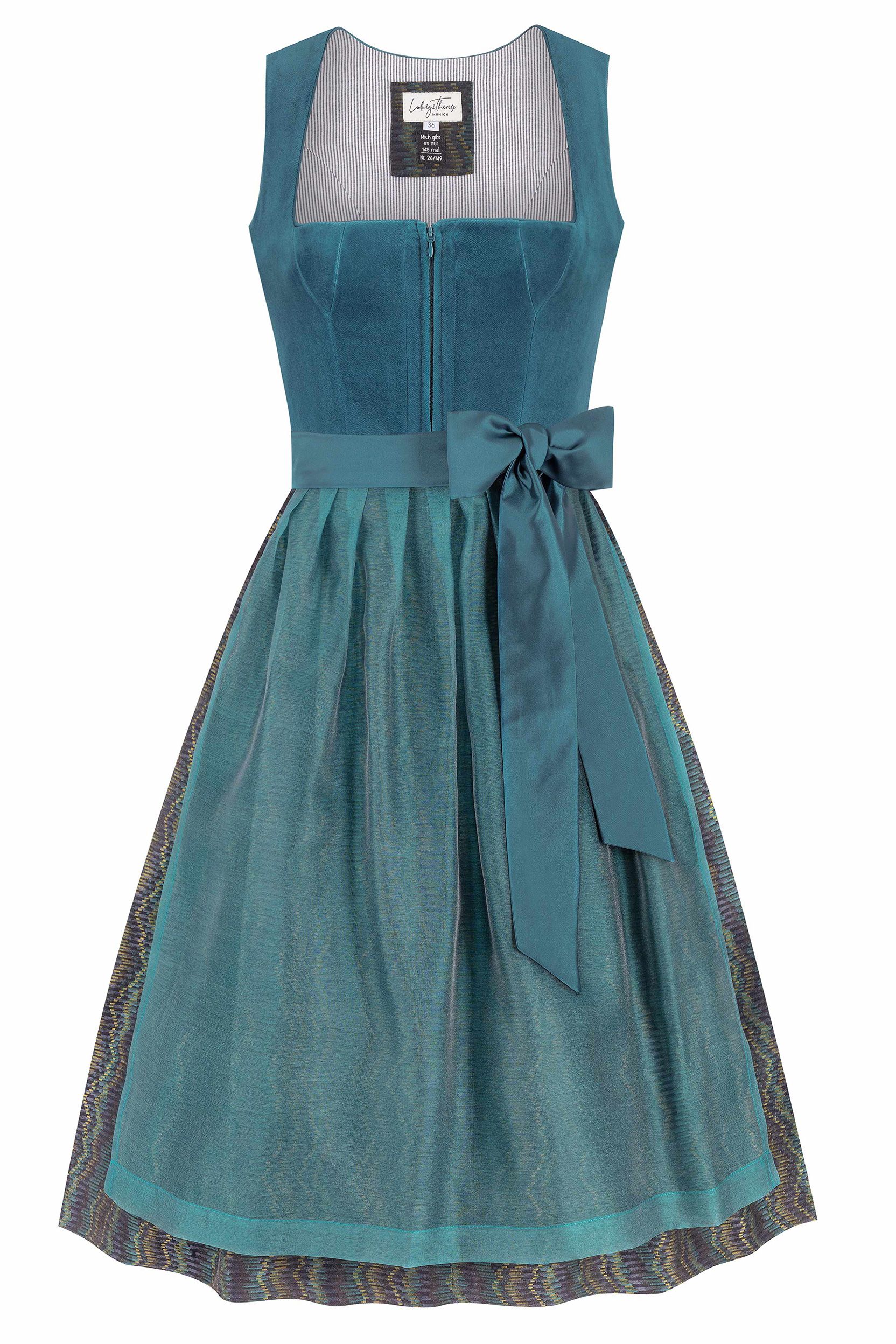
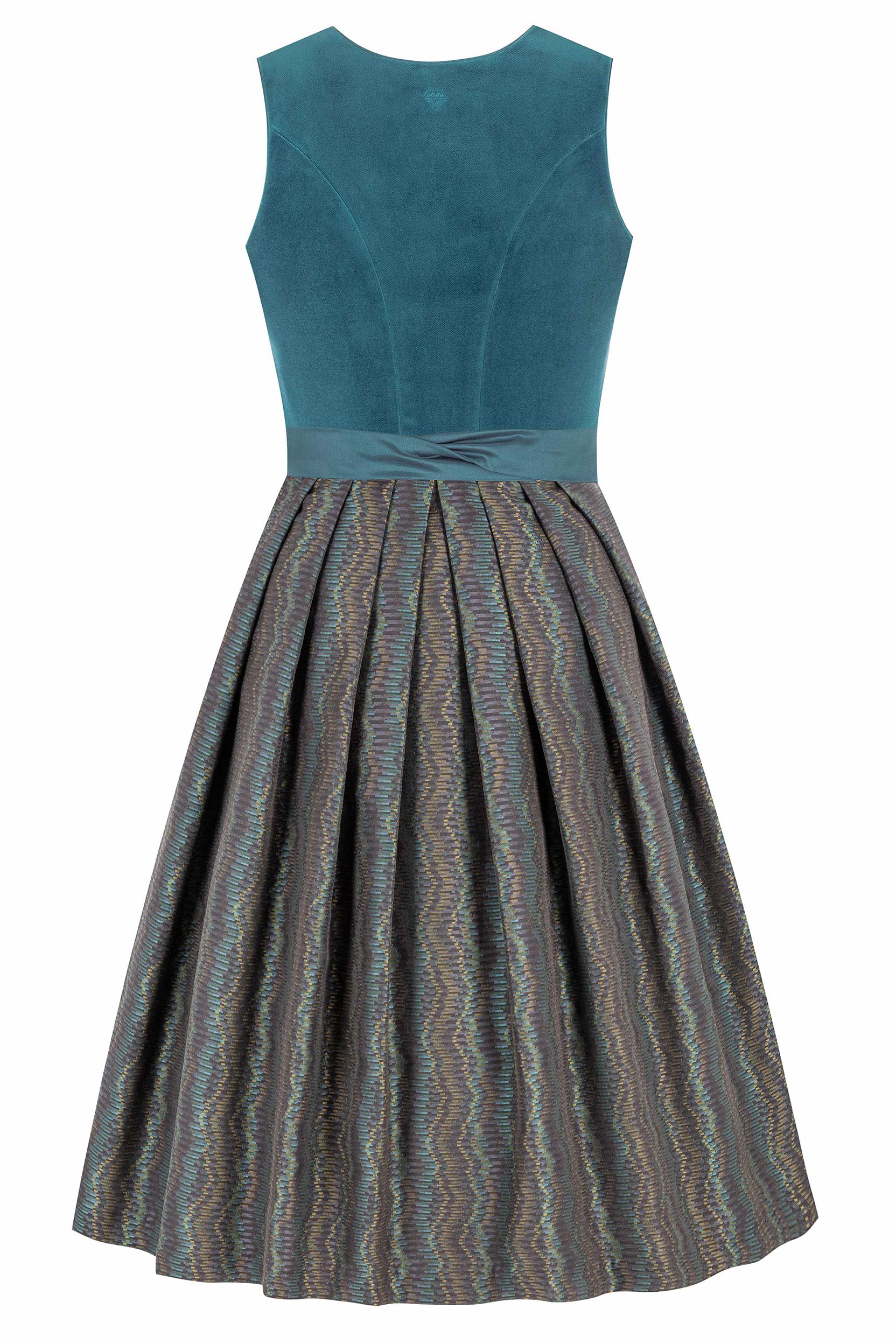

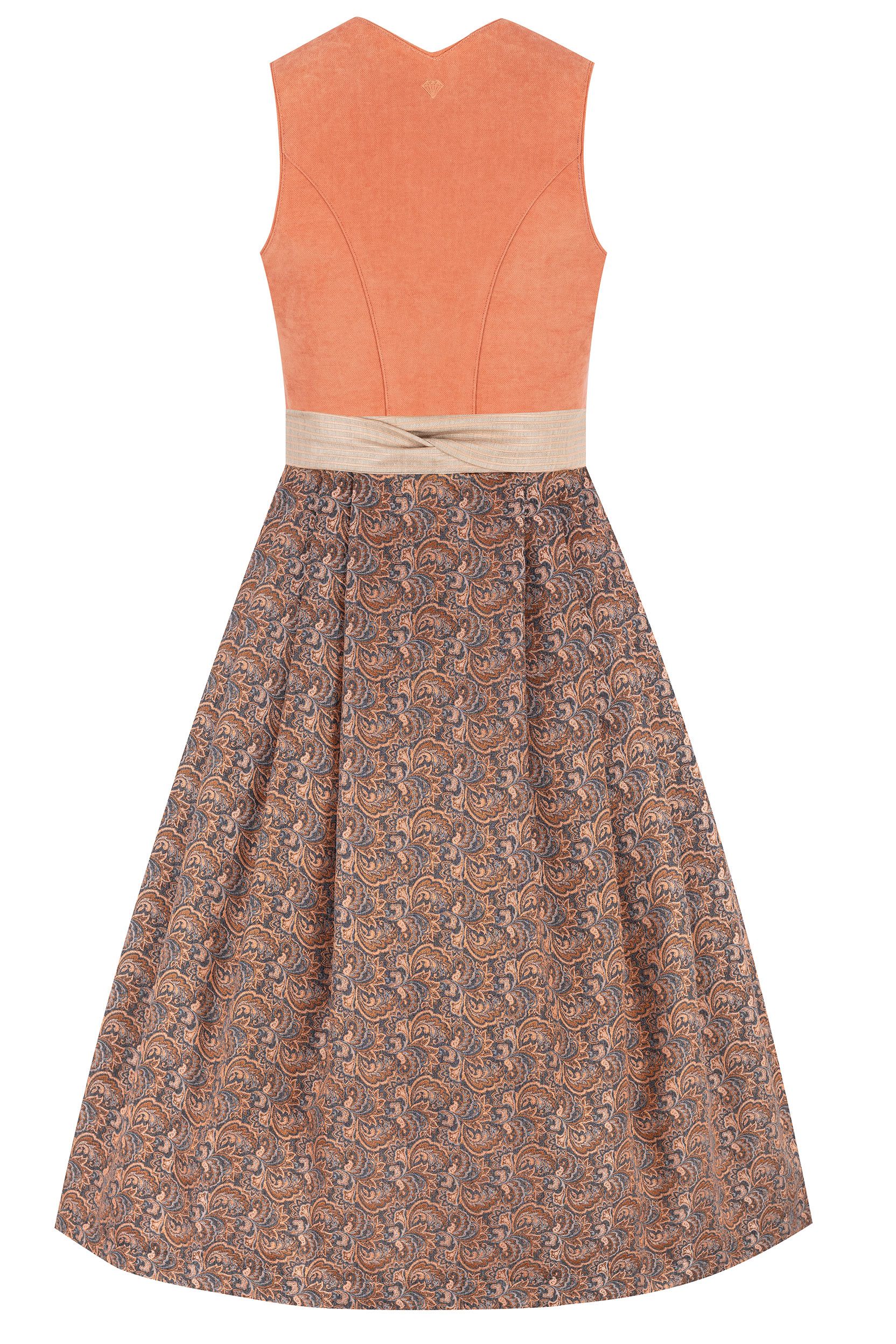

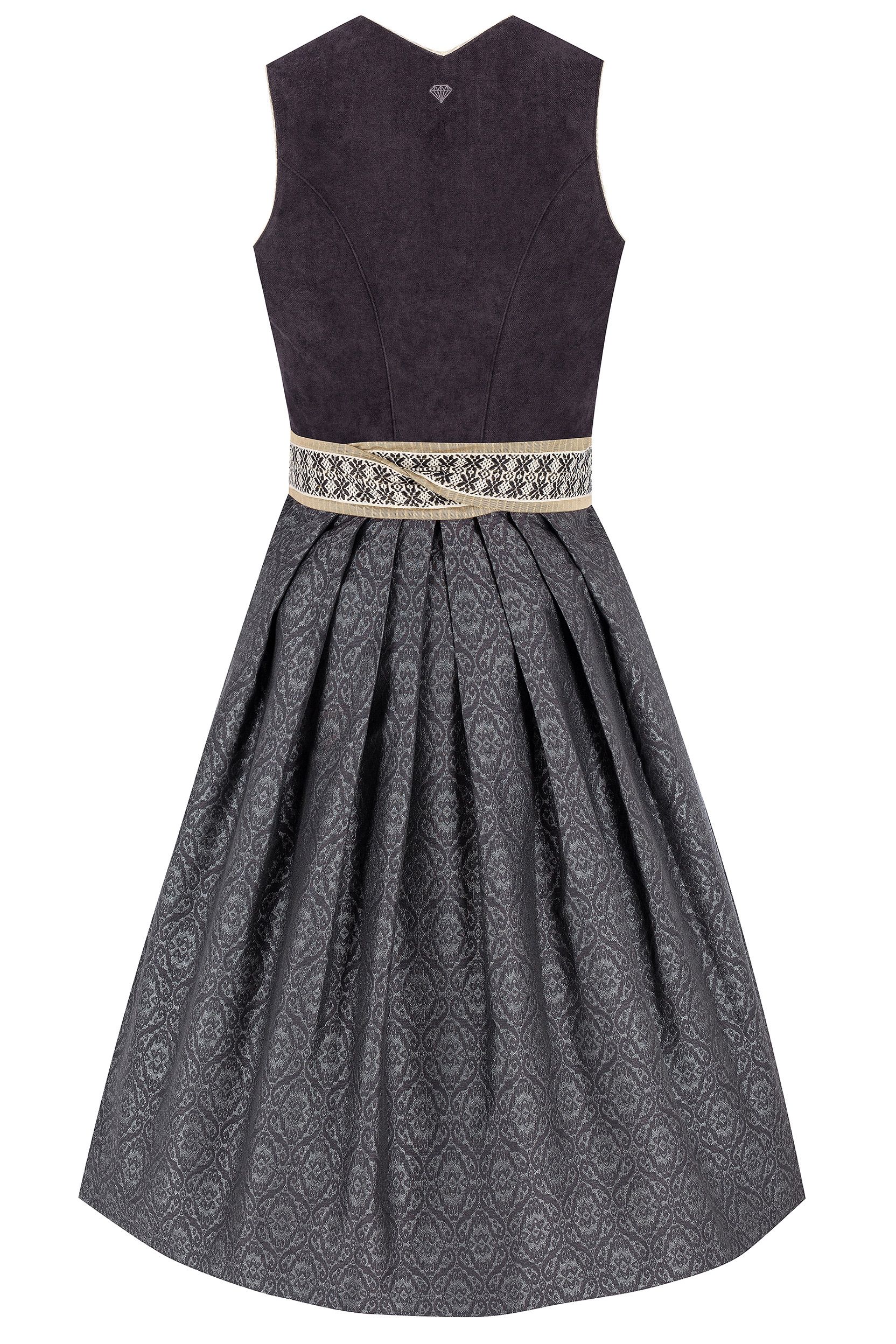
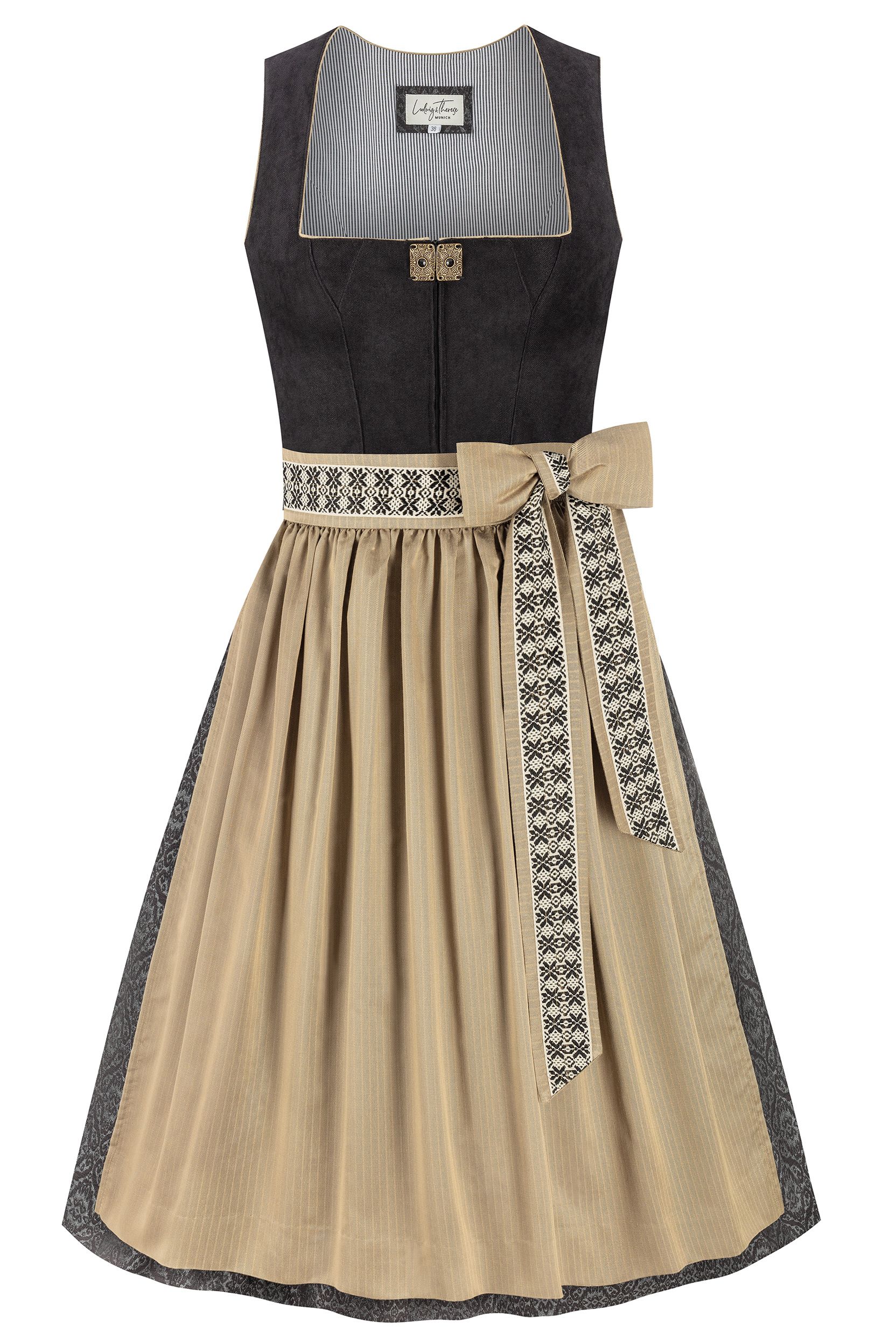
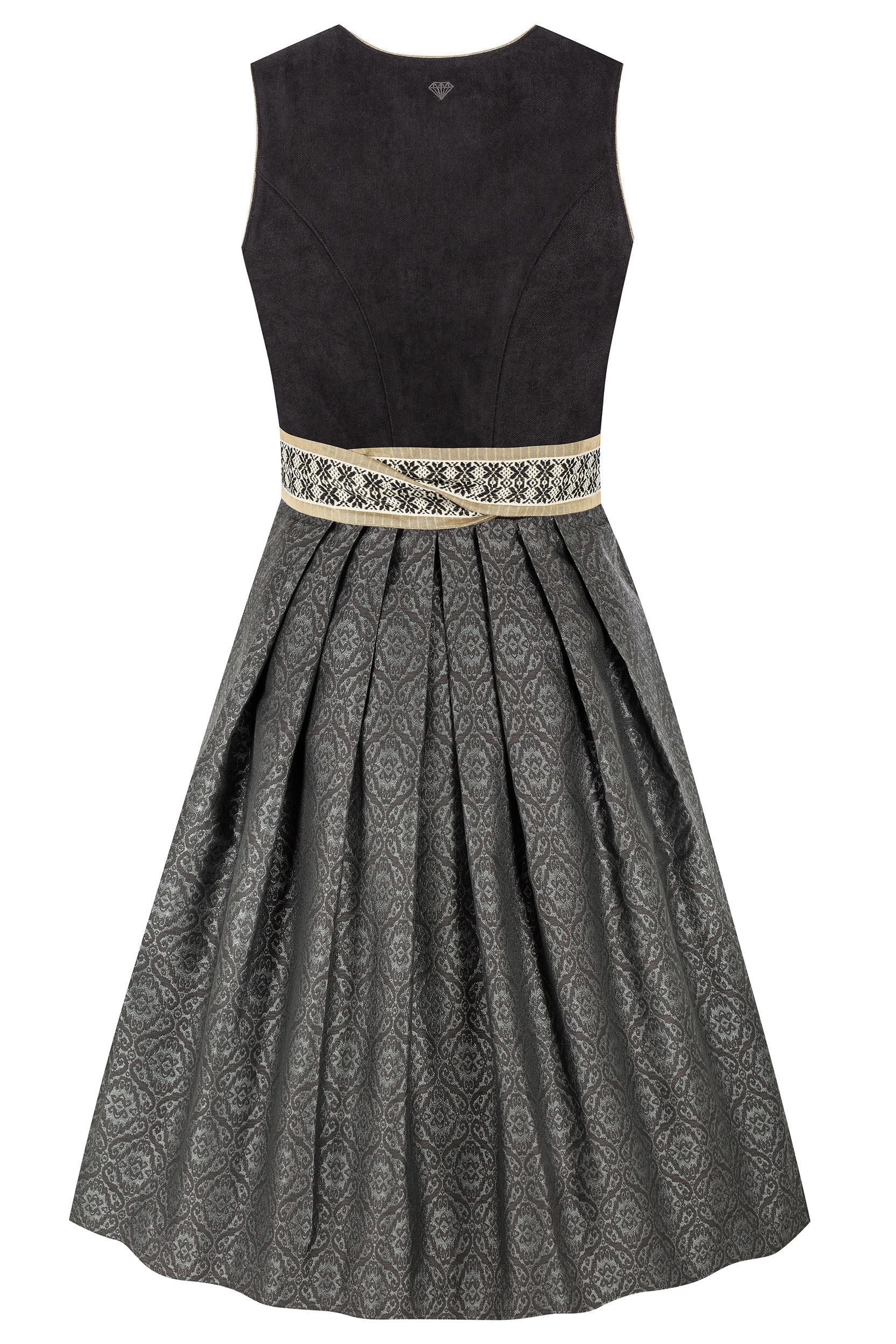
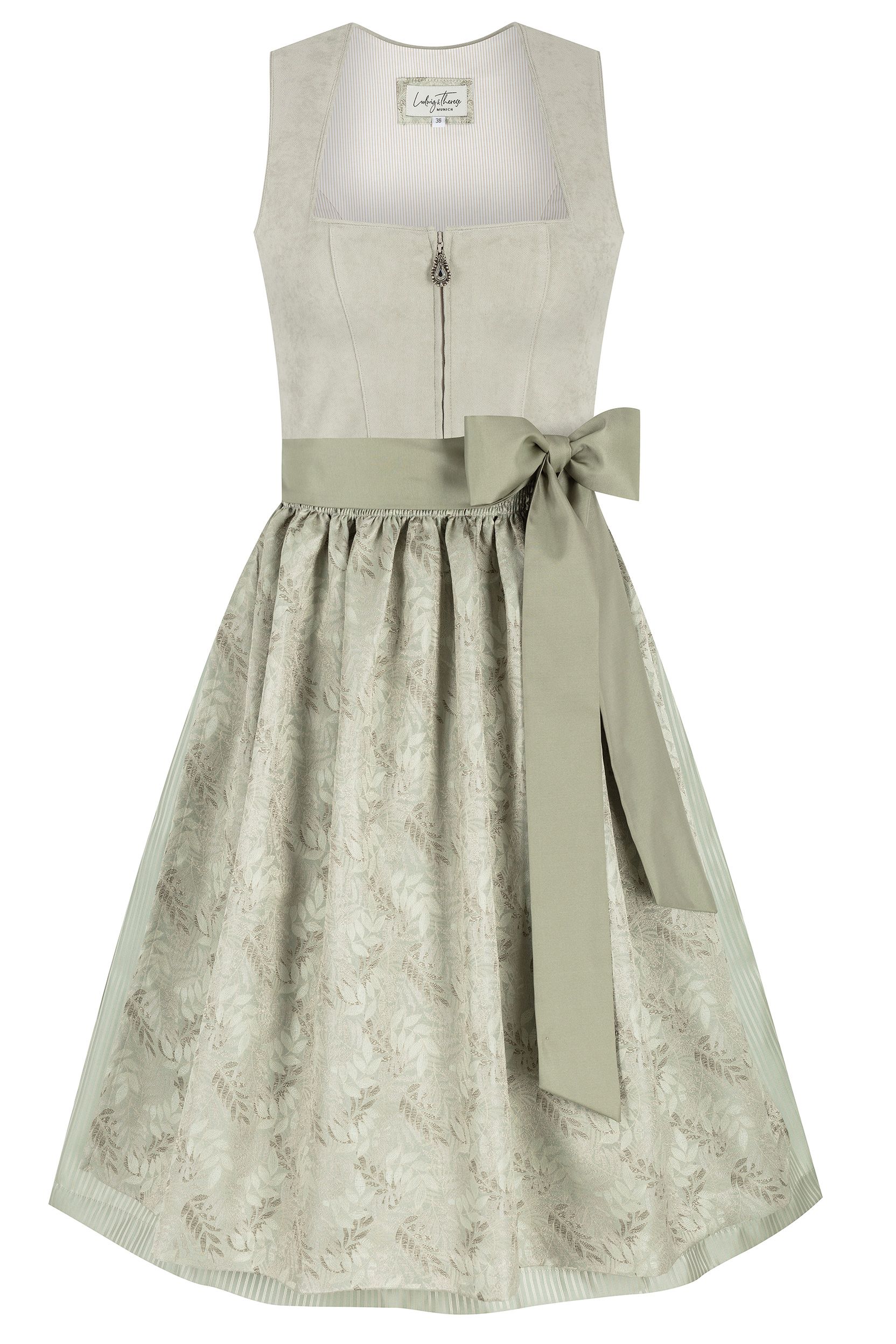


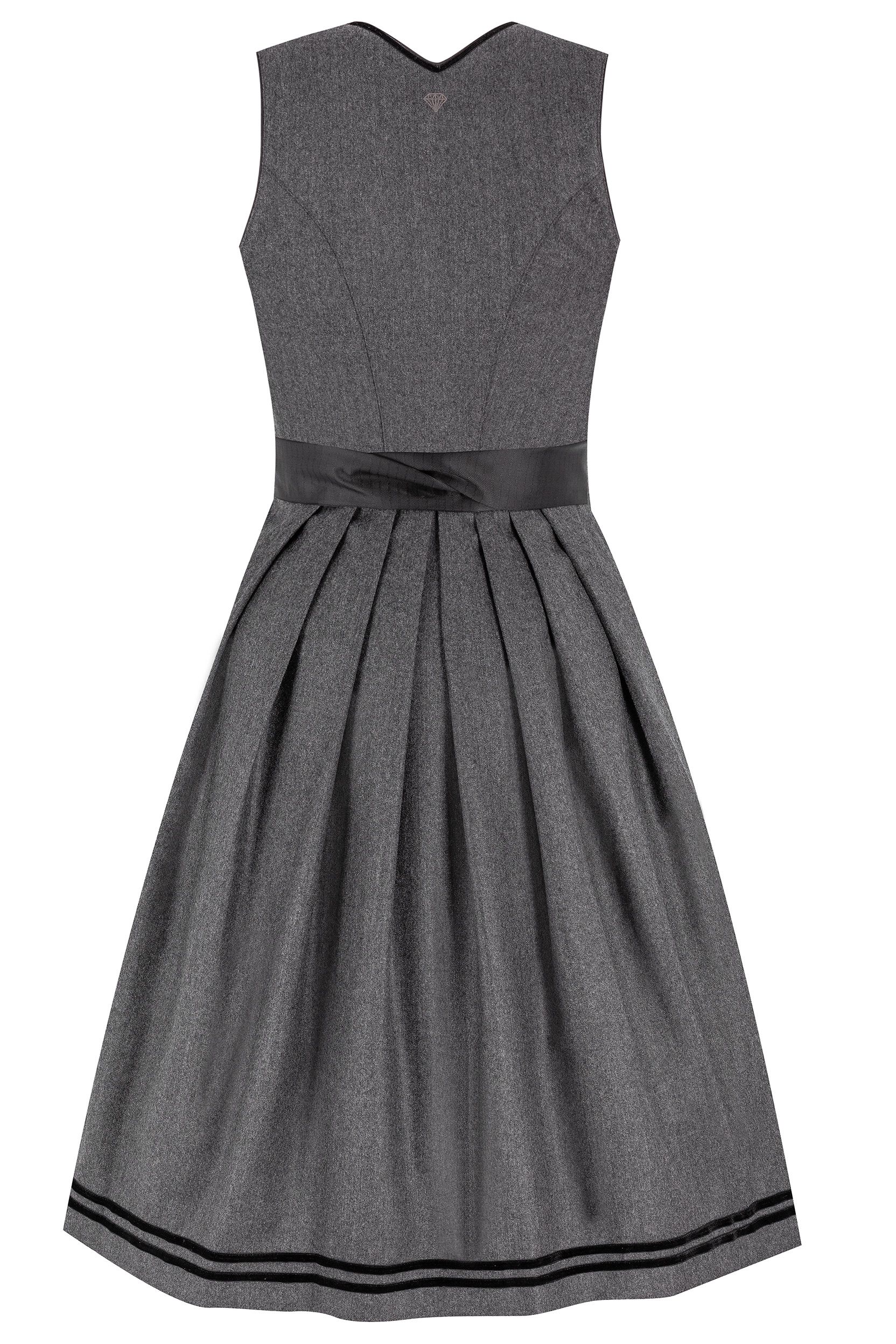
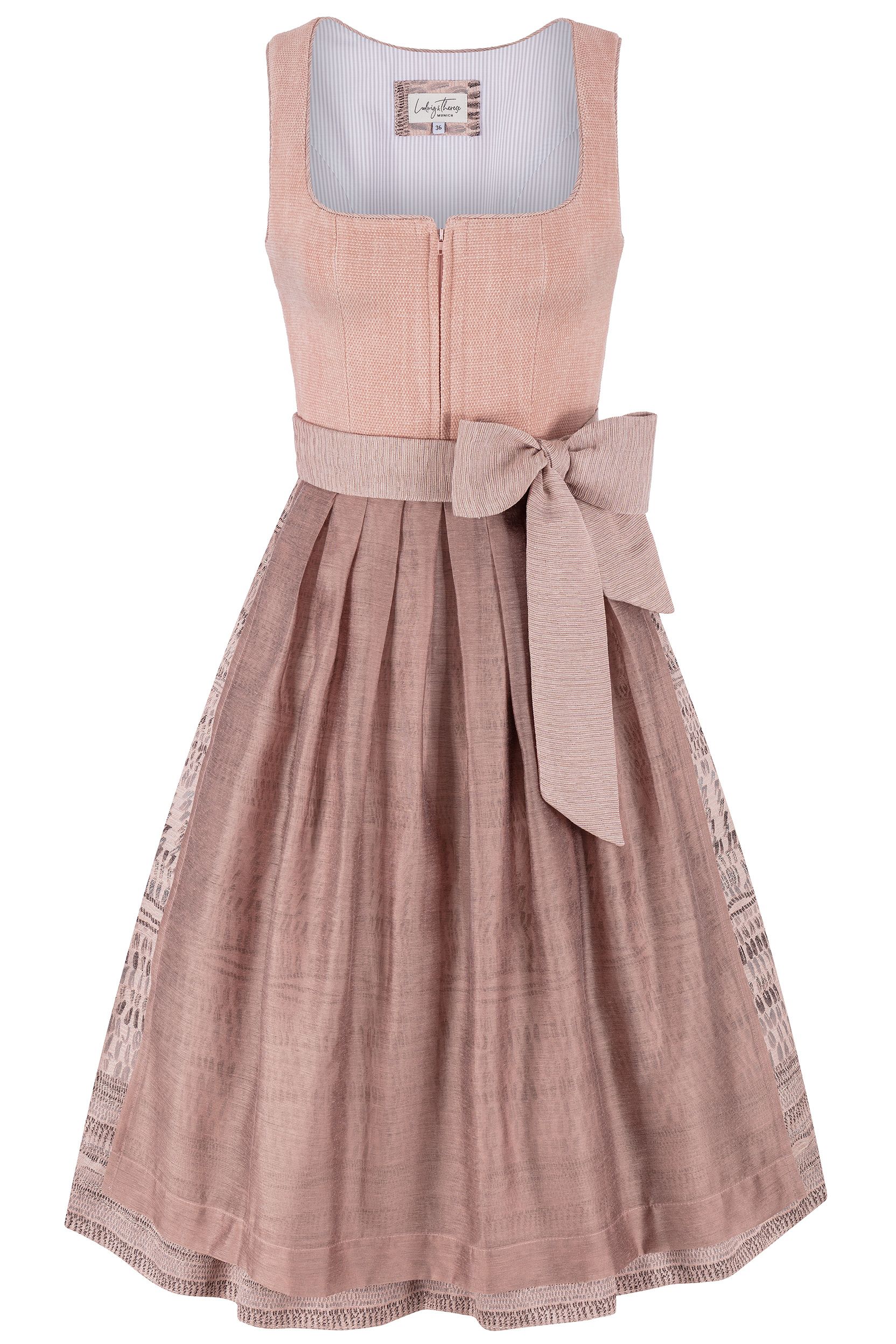
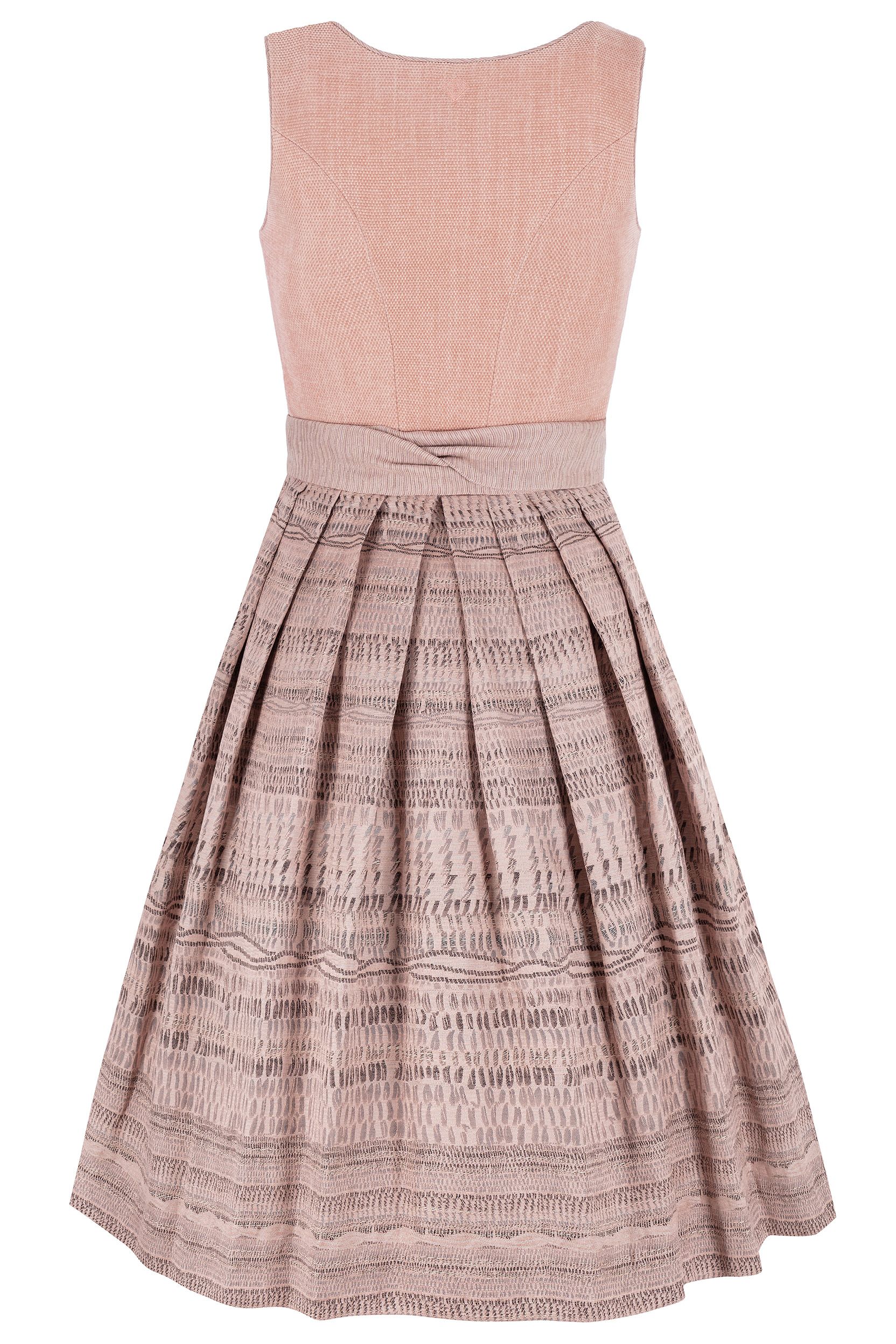
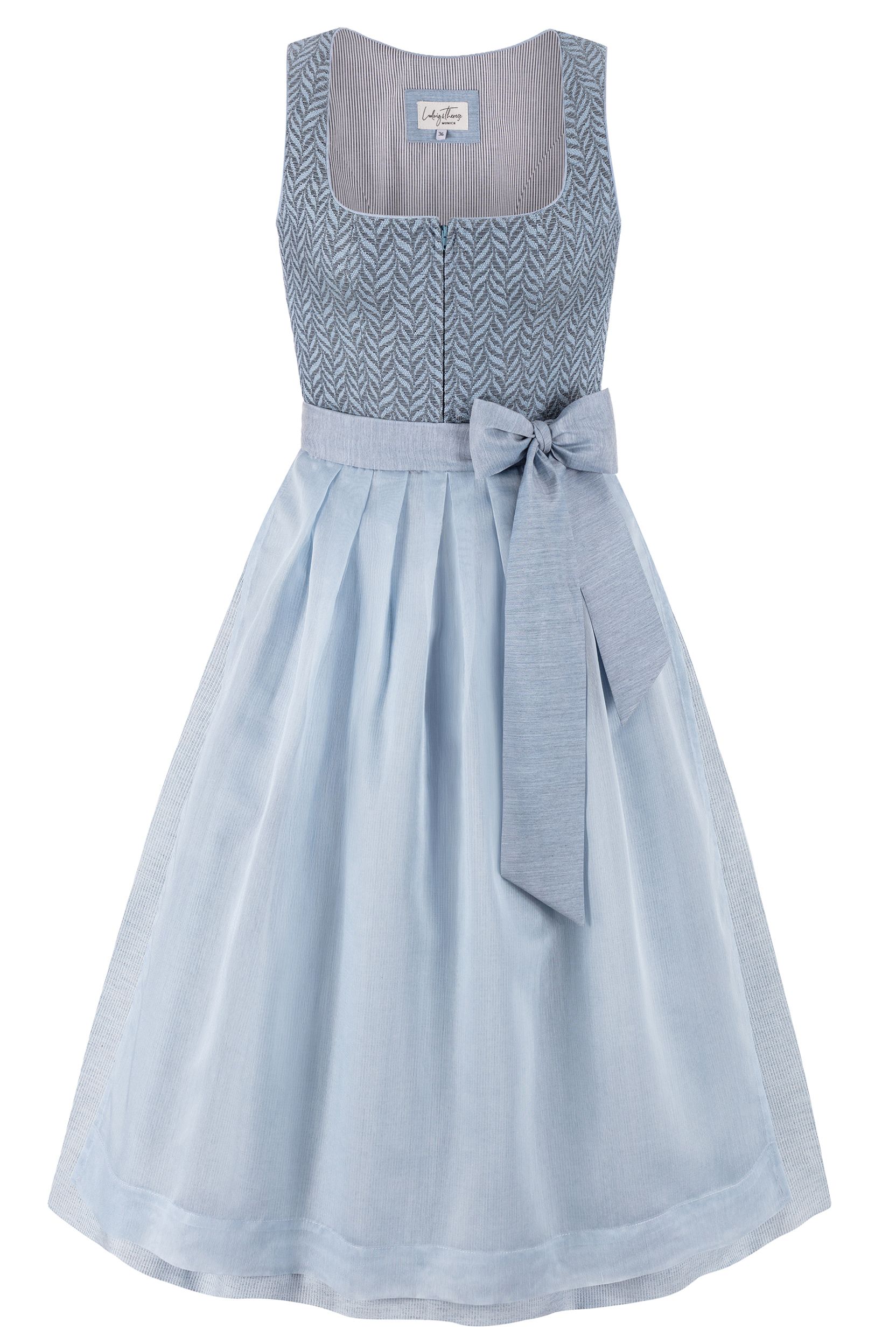
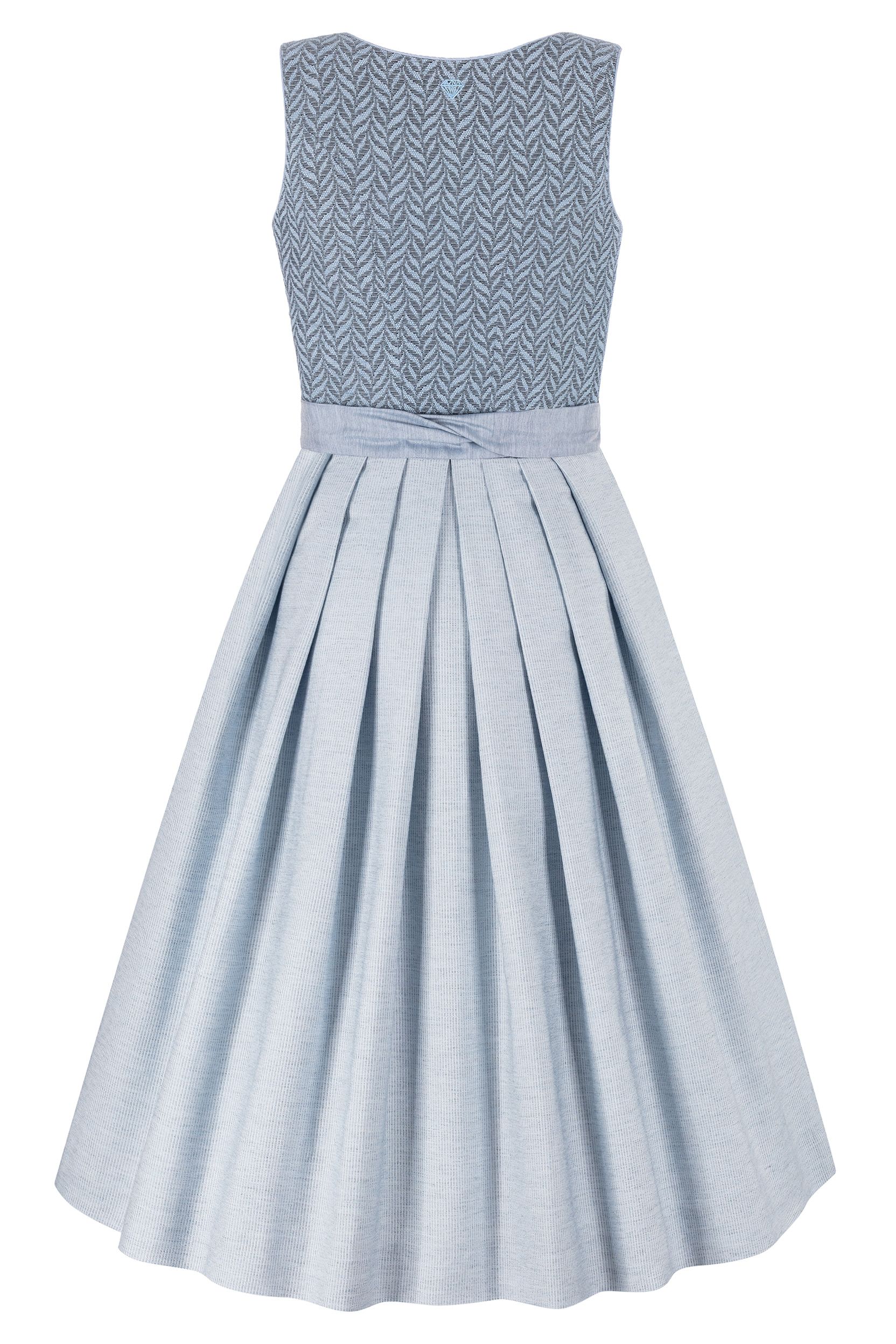
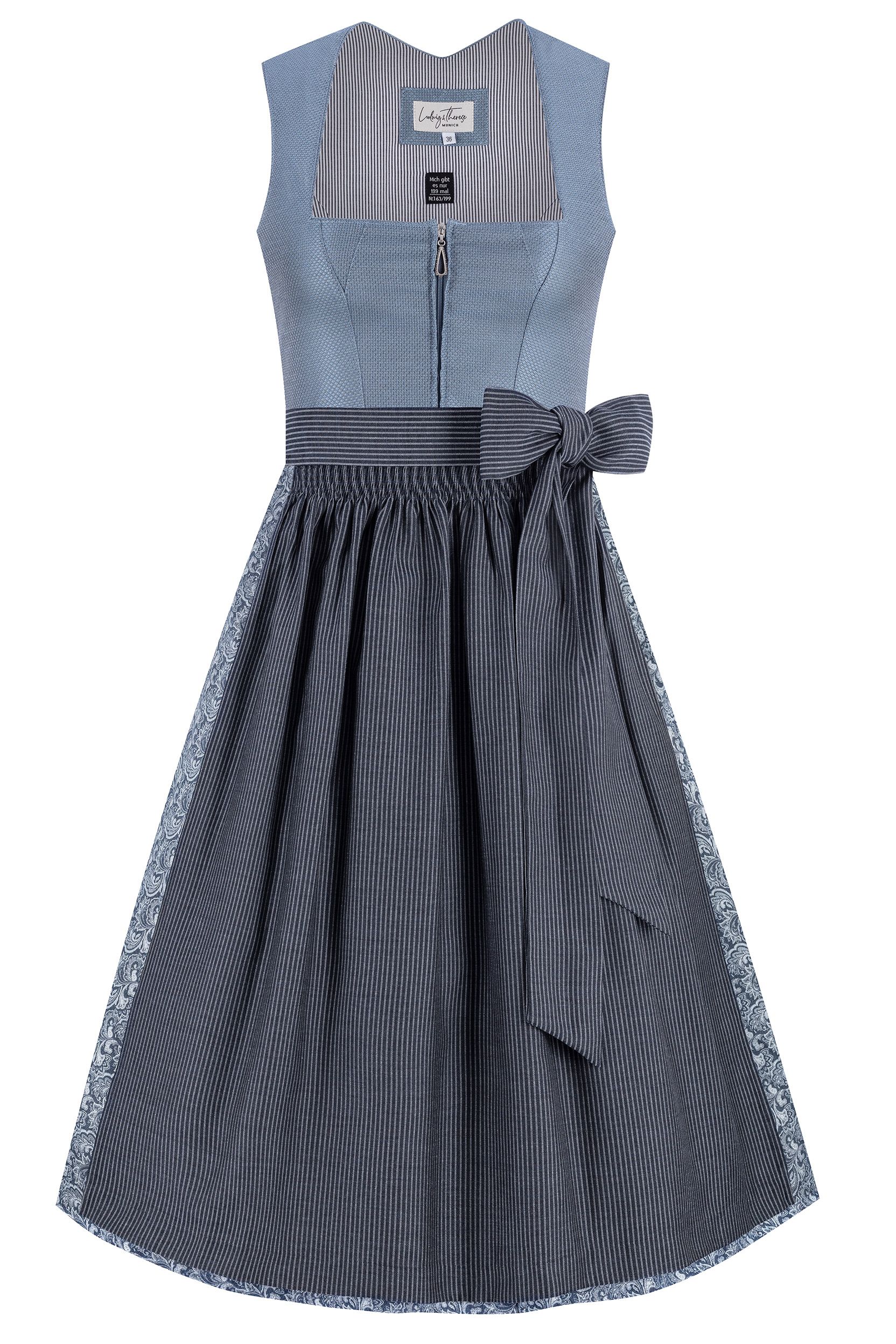
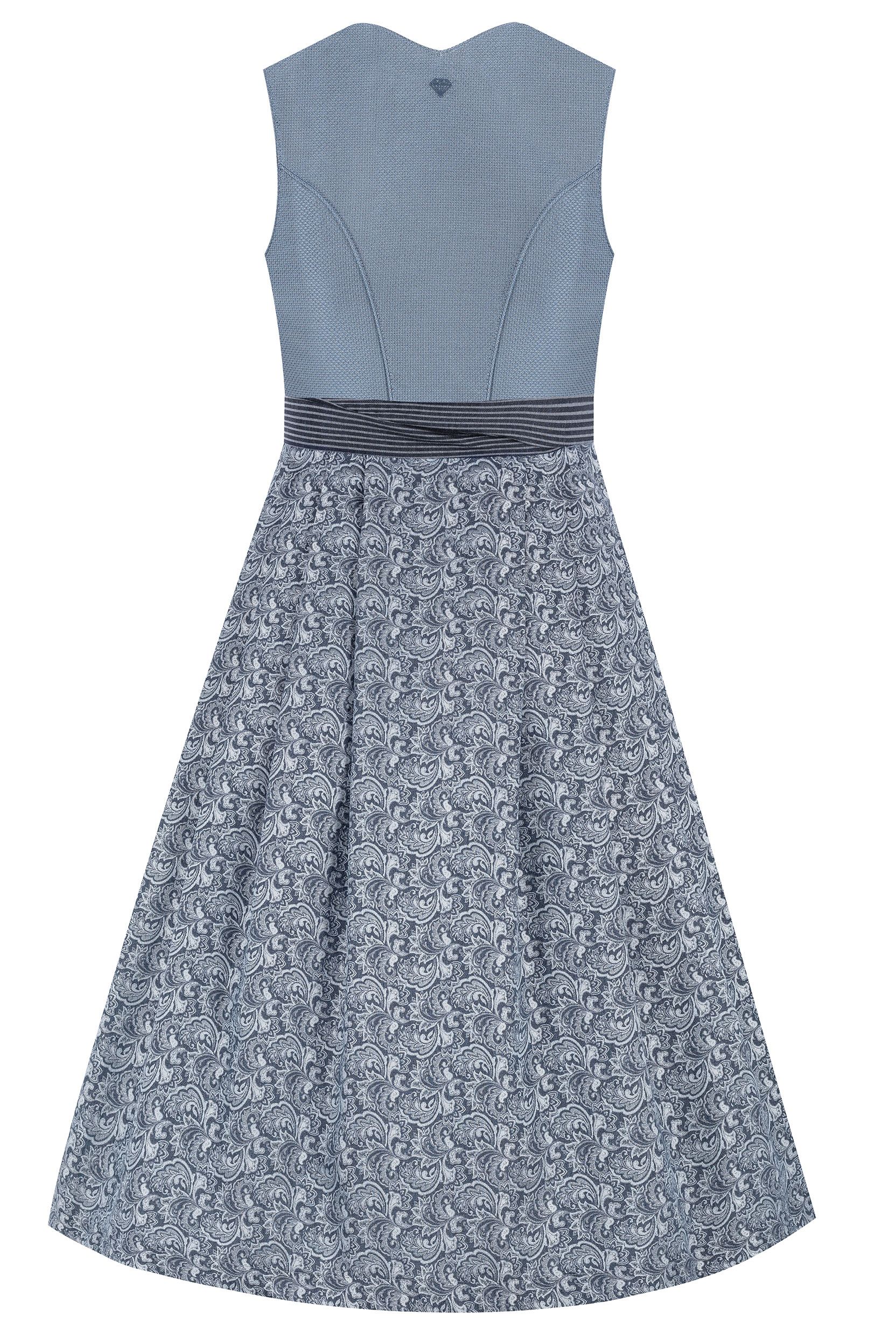
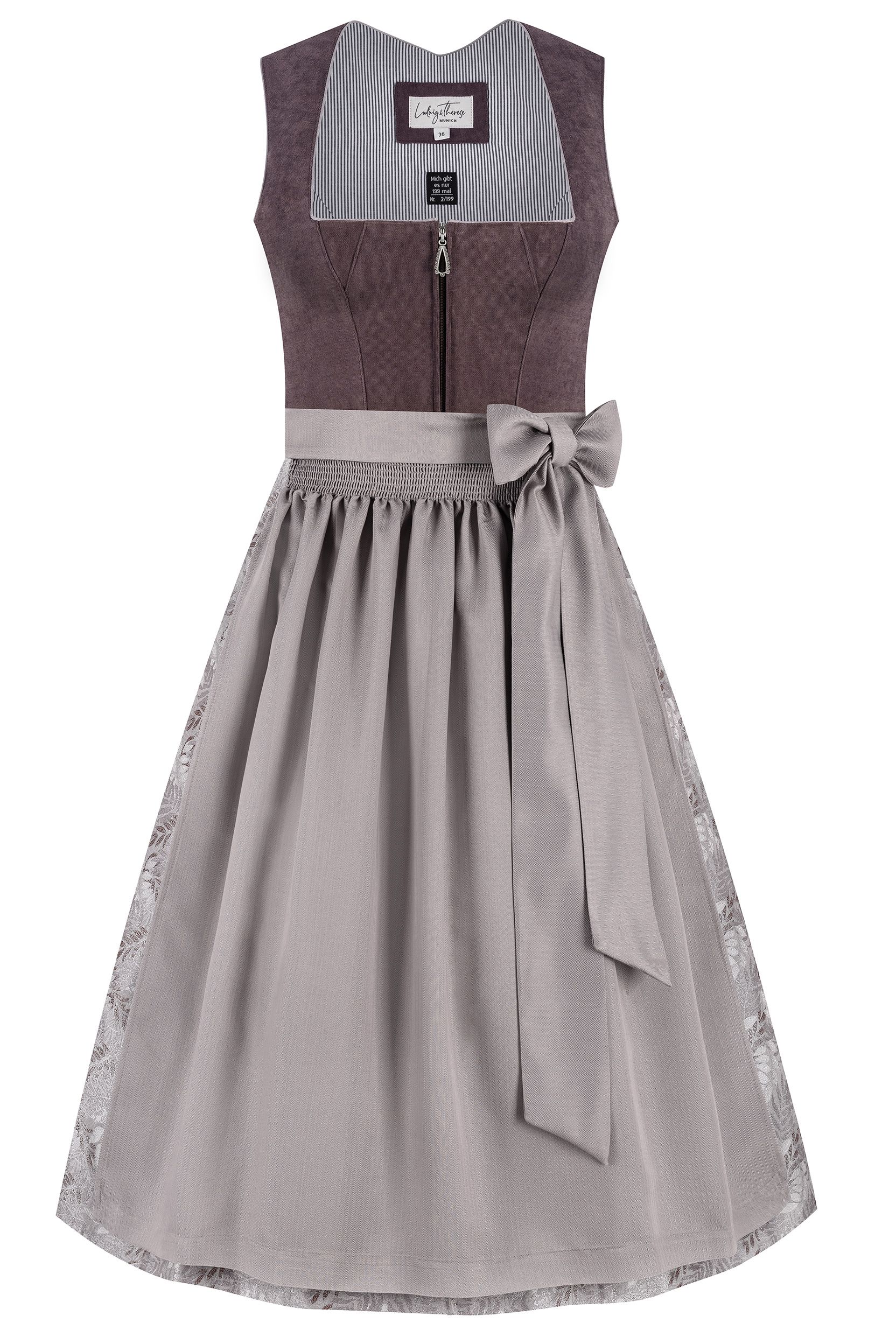
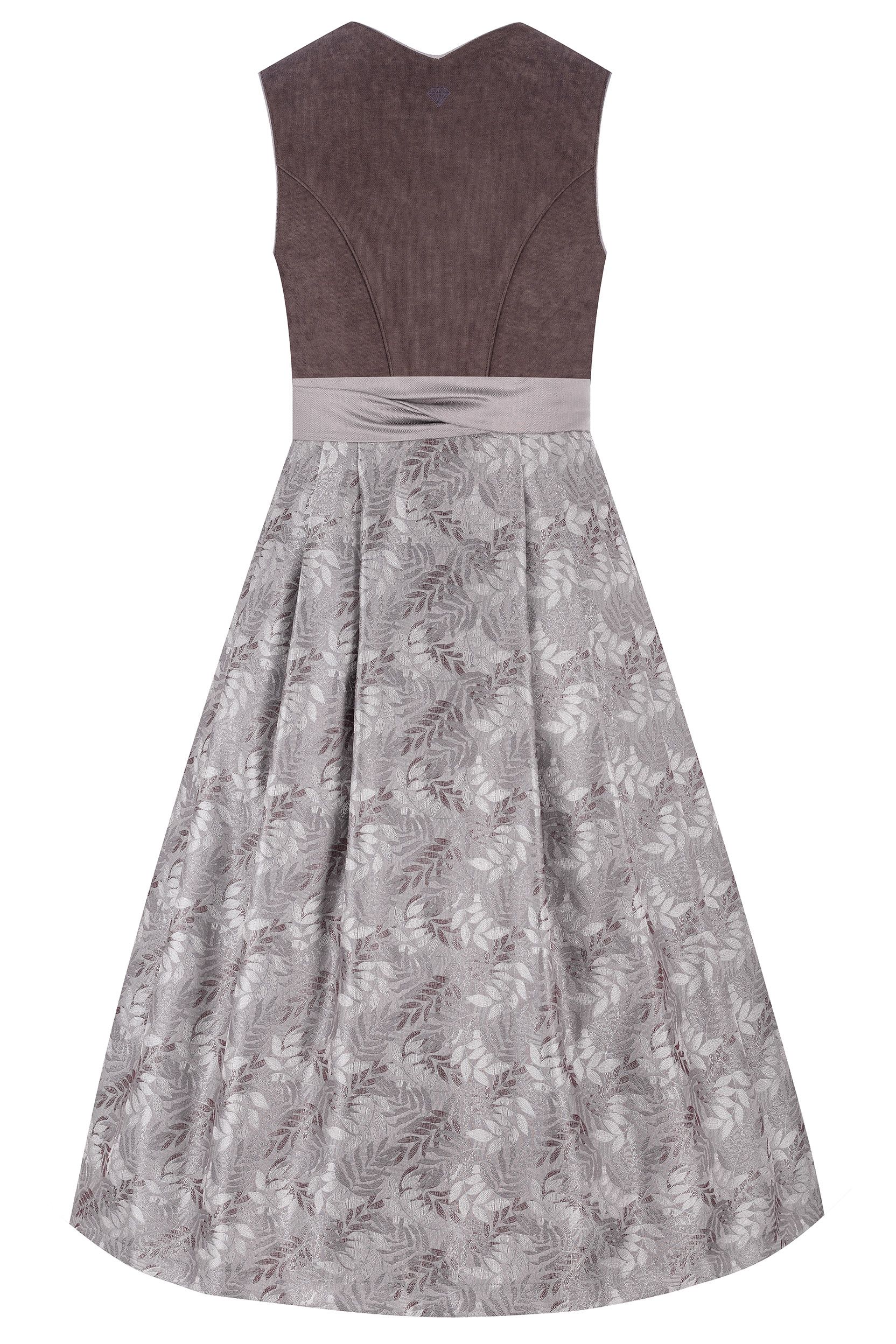

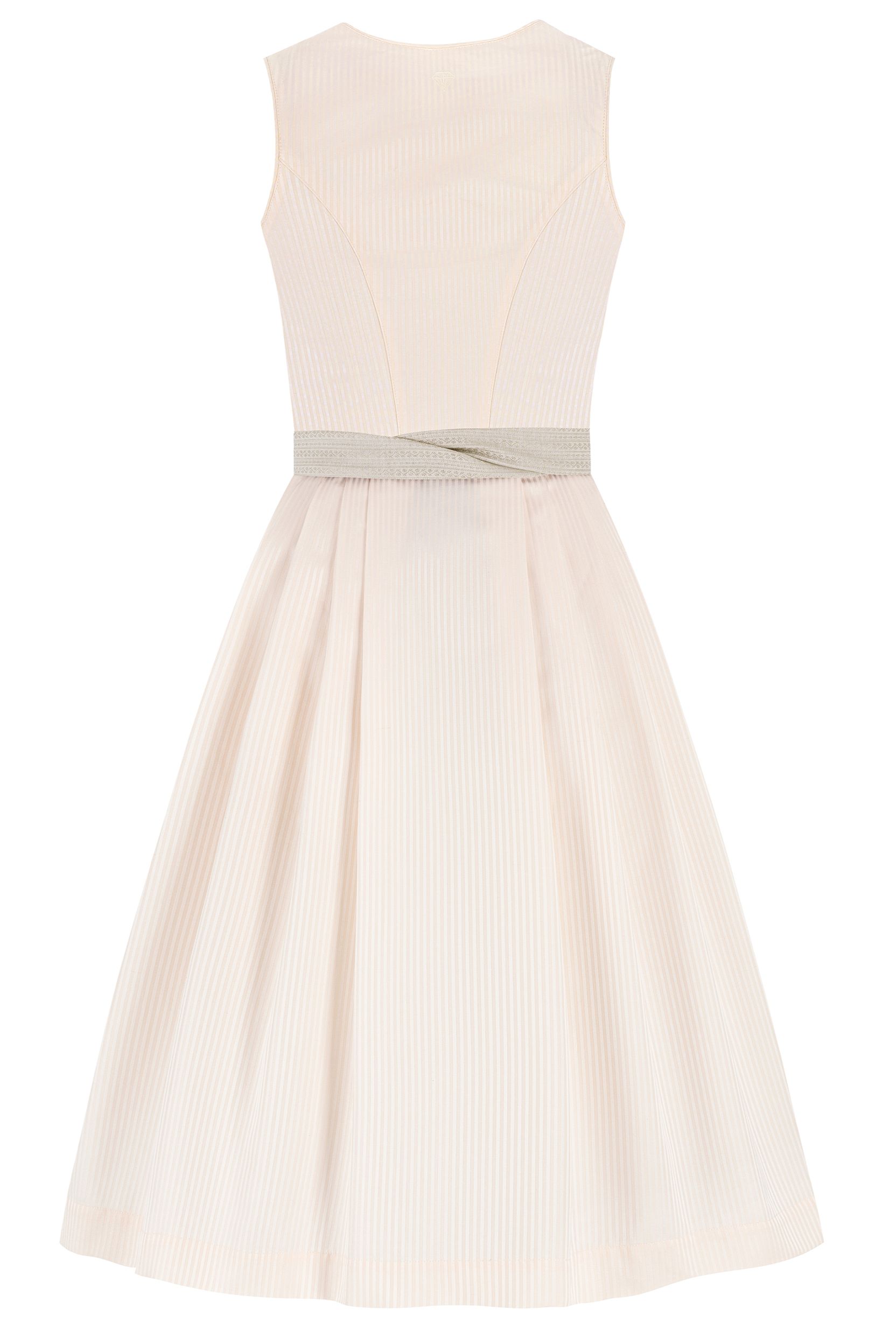
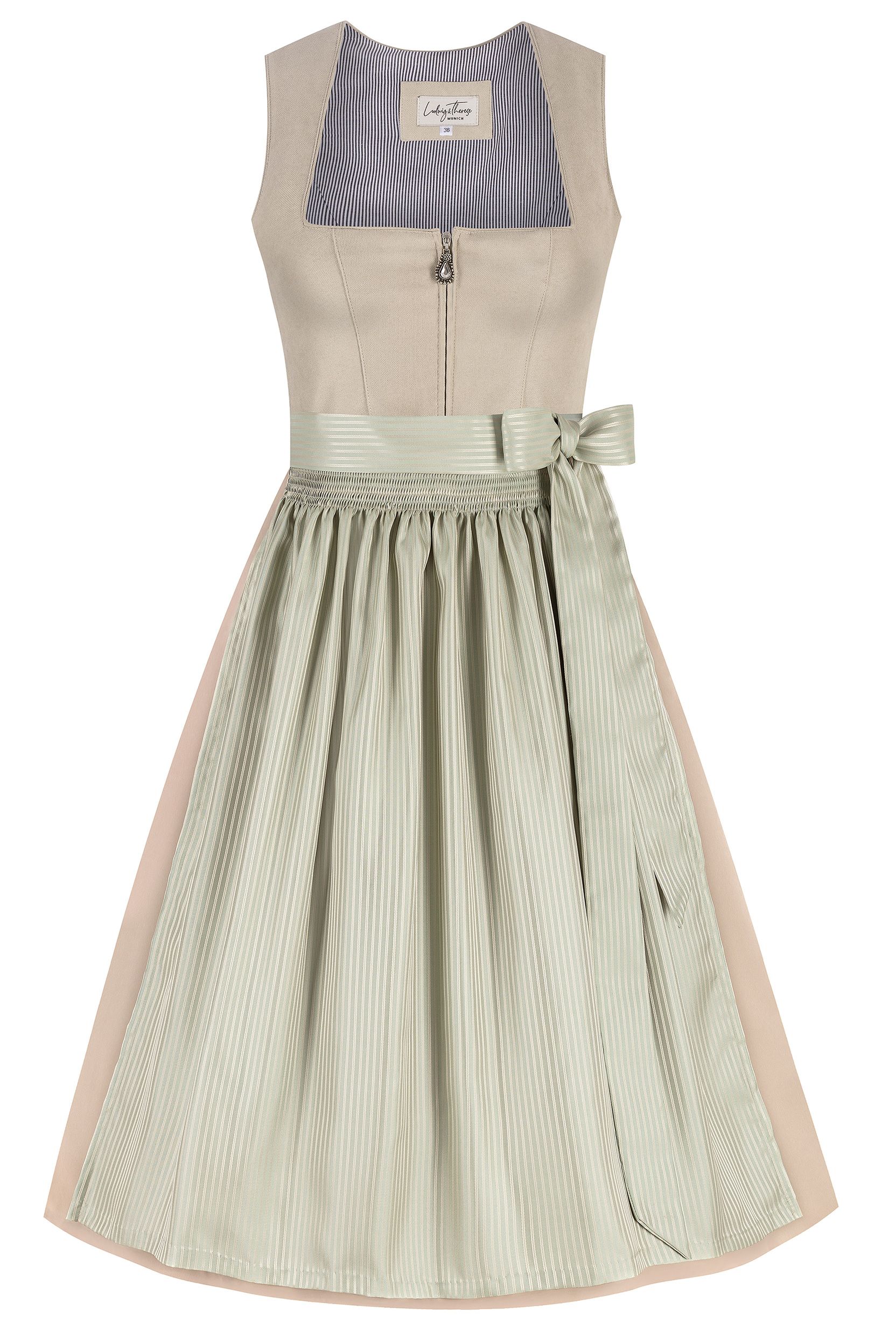

Dirndl kaufen: Traumhafte Trachtenmode für jeden Anlass
Du bist auf der Suche nach einem atemberaubenden Dirndl für das Oktoberfest, das Frühlingsfest oder eines der vielen Volks- und Schützenfeste? Vom farbenfrohen Modell mit auffälliger Schürze bis hin zum klassisch schlichten Design – in unserem großen Sortiment findet jeder Trachtenliebhaber das passende Outfit für jeden Geldbeutel.
Unsere Auswahl vereint moderne Trends mit zeitlosen Klassikern. Vom pflegeleichten Baumwoll-Dirndl bis zum exklusiven Designer-Dirndl bieten wir alles, was das Trachtenherz begehrt. Lass Dich von unserer Vielfalt inspirieren und finde Deinen perfekten Trachtenlook – jetzt Dein neues Dirndl kaufen!
Inhaltsverzeichnis
- Vielseitig einsetzbar: Anlässe für Trachtenkleider
- Dirndl richtig waschen und pflegen
- Die Dirndl-Schleife: Bedeutung und Bindeanleitung
- Die perfekte Rocklänge für jede Figur
- Welches Dirndl passt zu welcher Figur?
- Was trägt Frau unter dem Dirndl?
- Frisuren und Accessoires für den perfekten Trachtenlook
- Aktuelle Dirndl-Trends und Neuheiten
- Das Dirndl – Geschichte und Trend-Entwicklung
- FAQs rund ums Dirndl
Vielseitig einsetzbar: Anlässe für Trachtenkleider
Ein Dirndl ist längst kein reines Kleidungsstück für die Wiesn mehr. Es lässt sich wunderbar zu den unterschiedlichsten Festivitäten tragen und verleiht jedem Auftritt eine besondere Note.
- Das Baumwolldirndl: Der zeitlose Klassiker ist oft in traditionellen Farben wie Grün, Rot oder Blau gehalten und fein gemustert. Es ist schlicht, elegant und lässt sich angenehm tragen – ideal für den Biergarten oder als sommerliches Alltagskleid.
- Festliche & Designer-Dirndl: Hochwertige Kreationen von bekannten Labels wie Astrid Söll setzen auf edle Materialien wie Seide, aufwendige Spitzen und Glitzerelemente. Stars und Sternchen tragen diese exklusiven Modelle gern auf roten Teppichen und Gala-Events.
- Das Hochzeitsdirndl: Im Süden Deutschlands ist die Trachtenhochzeit ein riesiger Trend. Ein edles Hochzeitsdirndl in Pastell- oder Cremetönen bietet eine wunderschöne und charakterstarke Alternative zum klassischen Brautkleid, auf die auch der Bräutigam sein Outfit farblich abstimmen kann.
Dirndl richtig waschen und pflegen
Damit Dein Trachtenkleid über viele Saisons hinweg strahlend schön bleibt, ist die richtige Pflege entscheidend. Klassische Waschdirndl können meist problemlos in der Waschmaschine gereinigt werden. Beachte dabei folgende Tipps:
- Separates Waschen: Kleid und Schürze immer getrennt in die Trommel geben.
- Schonmittel nutzen: Verwende ein Feinwaschmittel ohne optische Aufheller.
- Schnelligkeit zählt: Lass die nassen Stoffe nach dem Waschgang nicht lange in der Maschine liegen, um Verfärbungen zu vermeiden.
- Lufttrocknen: Verzichte auf den Trockner. Zieh das Dirndl feucht leicht in Form und hänge es auf einen Kleiderbügel.
Hinweis: Bei allen Dirndln, doch besonders bei exklusiven Designer-Dirndl mit empfindlichen Seidenschürzen oder Perlenstickereien, solltest Du das Kleidungsstück in eine professionelle Reinigung geben, um lange Freude daran zu haben.
Die Dirndl-Schleife: Bedeutung und Bindeanleitung
Die Position der Schürzenschleife transportiert traditionell eine klare Botschaft über den Beziehungsstatus der Trägerin. Um Fettnäpfchen zu vermeiden, gilt folgende Faustregel (immer aus Sicht der Trägerin):
- Vorne rechts (aus Deiner Sicht): Vergeben oder verheiratet.
- Vorne links: Single – Flirten ist ausdrücklich erlaubt.
- Vorne mittig: Traditionell das Zeichen für Jungfräulichkeit, heute oft als "unentschlossen" oder privater Status interpretiert.
- Hinten mittig: Verwitwet oder als Erkennungsmerkmal für Servicekräfte und Kellnerinnen.
So bindest Du die Schleife perfekt:
- Bügel die Schürzenbänder vor dem Anlegen glatt.
- Lege die Bänder am Rücken exakt und faltenfrei übereinander. Tipp: Ein kleiner Streifen doppelseitiges Klebeband verhindert das Verrutschen.
- Kreuze die Bänder vorne und binde eine Schleife ohne Doppelknoten auf Taillenhöhe.
- Zupfe die Schlaufen auf maximale Breite, sodass eine gleichmäßige, edle Schleifenform entsteht.
Die perfekte Dirndl-Rocklänge für jede Figur
Die Wahl der richtigen Rocklänge bestimmt den gesamten Stil Deines Trachten-Outfits.
Mini-Dirndl (Rocklänge 50-55 cm)
Dieser Schnitt wirkt jugendlich, sportlich und modern. Er eignet sich hervorragend für jüngere Madln und Frauen bis ca. 170 cm Körpergröße. Perfekt zum Tanzen an heißen Sommertagen und um die Beine gekonnt in Szene zu setzen.
Midi-Dirndl (Rocklänge 60-70 cm)
Das Midi-Dirndl ist der absolute Allrounder und Bestseller. Der Rock endet elegant knapp unter dem Knie, was jeder Figur und jeder Körpergröße schmeichelt. Es sorgt beim Schunkeln für einen wunderschönen Schwung und ist die perfekte Wahl für jeden Anlass.
Lange Dirndl (Rocklänge ab 75 cm)
Die traditionellste und eleganteste Variante. Der Rock endet etwa eine Handbreit über dem Knöchel und zaubert eine majestätische Glockenform. Besonders großen Frauen steht das lange Dirndl hervorragend. Es ist die erste Wahl für sehr festliche Anlässe wie Theaterbälle oder traditionelle Hochzeiten.
Welches Dirndl passt zu welcher Figur?
Ein Dirndl betont die weiblichen Vorzüge wie kaum ein anderes Kleidungsstück. Mit diesen Kniffen setzt Du Deinen Figurtyp perfekt in Szene:
- A-Typ: (Schmale Schultern, breitere Hüften) Betone Deine schmale Mitte durch ein eng anliegendes Mieder. Eine voluminöse Bluse gleicht die Proportionen aus; hohe Schuhe strecken die Beine.
- H-Typ: (Geradlinige Silhouette, wenig Taille) Mini- oder Midi-Dirndl zaubern optisch Kurven. Ein auffälliges Dekolleté lenkt den Blick auf die Körpermitte.
- Y-Typ: (Breiter Oberkörper, schmale Hüften) Ein tiefer Ausschnitt streckt den Oberkörper optisch. Kurze Mini-Dirndl setzen Deine schlanken Beine perfekt im Fokus.
- O-Typ: (Rundlicher Oberkörper, wenig Taille) Wähle eine Bluse mit Ärmeln, um die Oberarme zu kaschieren. Ein dunkles, einfarbiges Mieder verschlankt optisch die Taille.
- X-Typ: (Sanduhrfigur) Die ideale Dirndl-Figur. Achte darauf, das Kleid nicht zu locker zu tragen und betone Deine schmale Taille gezielt.
Was trägt Frau unter dem Dirndl?
Für das perfekte Trachten-Outfit ist das „Darunter“ ebenso wichtig wie das Kleid selbst:
- Der Dirndl-BH: Ein absolutes Must-have. Der spezielle Balconette-Schnitt hebt die Brust von unten an und füllt das Dekolleté optimal aus. Ob als stark gepolsterter Push-up oder aus feiner Spitze in Weiß, Creme oder Schwarz – er sorgt für die typische Pracht.
- Wärmende Extras: An kühleren Tagen im Herbst schützen stilvolle Trachtenstrümpfe oder ein voluminöser Petticoat vor Kälte.
Frisuren und Accessoires für den perfekten Trachtenlook
Erst die richtigen Details machen Deinen Auftritt komplett:
Beliebte Dirndl-Frisuren
- Flechtfrisuren: Der zeitlose Klassiker. Ob französischer Zopf, holländischer Kranz oder verspielte Fischgrätenzöpfe – Flechtelemente gehören zur Tracht einfach dazu.
- Hochsteckfrisuren: Ideal für edle Anlässe. Sie bringen den Ausschnitt und den Miederrücken perfekt zur Geltung.
- Offenes Haar: Sanfte Wellen, kombiniert mit einem romantischen Blumenkranz, wirken besonders bei jüngeren Trägerinnen frisch und modern.
Die wichtigsten Accessoires:
- Dirndlbluse: Sie rahmt das Mieder ein und bestimmt den Stil (hochgeschlossen, mit Spitze oder tief ausgeschnitten).
- Trachtenschuhe: Die Auswahl reicht von klassischen Pumps über rustikale Schließen-Schuhe bis hin zu modernen, bequemen Trachtensneakern.
- Taschen & Schmuck: Eine farblich abgestimmte Trachtentasche verstaut alle Essentials. Traditioneller Kropfschmuck, feine Silberketten mit Edelweiß-Motiven oder Samtbänder runden das Gesamtbild ab. Ein passendes Trachtentuch wärmt an kühlen Abenden.
Jetzt inspirieren lassen & im MOSER Onlineshop shoppen
Finde jetzt Dein neues Lieblingsdirndl, das Dich auf der nächsten Wiesn oder dem Familienfest zum absoluten Blickfang macht! Profitierte von unserer riesigen Auswahl und unserem schnellen Versand. Du hast Fragen zu Passform, Größe oder Styling? Unser kompetentes Team berät Dich gerne individuell. Kontaktiere uns einfach telefonisch oder per E-Mail unter kontakt@trachten.de.
Die Modewelt schläft nicht - auch in der Trachtenmode gibt es jede Saison aufregende Neuheiten zu entdecken! In unsere, Trachtenblog halten wir Dich stets auf dem Laufenden!
Das Dirndl – Geschichte und Trend- Entwicklung
Das beliebte Trachtenkleid hat eine lange und faszinierende Entwicklungsgeschichte hinter sich. Ursprünglich stammt der Begriff aus dem bayerisch-österreichischen Raum und leitet sich von „Dirne“ ab, was damals schlicht ein junges Mädchen oder eine Magd in der Landwirtschaft bezeichnete. Die typische Kleidung dieser Arbeitskräfte war das „Dirndlgwand“ – die Urform des heutigen Dirndls.
Damals stand nicht die Heimatliebe, sondern der praktische Nutzen im Vordergrund: Die Kleidung musste robust, leicht waschbar und günstig sein. Die Schürze diente primär als Schutz vor Schmutz, sodass nicht das gesamte Kleid gewaschen oder neu gekauft werden musste.
In den 1870er und 1880er Jahren entdeckte schließlich die Oberschicht das Kleid für sich. Während des Nationalsozialismus wurde die Tracht politisch instrumentalisiert und modernisiert: Der Ausschnitt wurde tiefer, die Ärmel kürzer und die Taille betont. In den 1990er Jahren setzte ein regelrechter Trachten-Hype ein, der das Dirndl fest in der modernen Modewelt verankerte. Heute betonen moderne Schnitte gezielt das Dekolleté mit einem eng anliegenden Mieder, einem weiten Rock und einer harmonisch abgestimmten Schürze.
FAQ – Häufige Fragen zum Thema Dirndl kaufen
Welche Dirndl-Länge steht mir am besten?
Mini-Dirndl (50–55 cm) zaubern einen jugendlichen, frechen Look und betonen schöne Beine. Midi-Dirndl (60–70 cm) sind die absoluten Allrounder, die jeder Frau und jedem Anlass gerecht werden. Lange Dirndl (ab 75 cm) wirken besonders elegant und traditionell.
Wie finde ich die passende Dirndlgröße für mich?
Messe einfach Brust, Taille und Hüfte aus und vergleiche Deine Maße mit unserer Größentabelle. Bedenke, dass Dirndl oft enger ausfallen als gewöhnliche Kleidung. Solltest Du Schwierigkeiten haben bei der Bestimmung der richtigen Größe oder falls Du nicht weißt, ob Dir ein spezielles Dirndl passt – dann kontaktiere uns. Wir unterstützen Dich mit einer individuellen Kaufberatung bzgl. Schnitt, Größe, Farbe etc.
Was gehört zu einem vollständigen Dirndl-Outfit?
Zu einem traditionellen Look gehören neben dem Dirndlkleid und der passenden Schürze immer eine Dirndlbluse sowie ein spezieller Dirndl-BH. Abgerundet wird das Outfit durch passende Trachtenschuhe, eine Tasche und abgestimmten Schmuck.
Are you looking for a stunning dirndl for Oktoberfest or one of the many traditional folk or shooting festivals held throughout the year? Or are you planning your outfit for the spring festival? From colorful dirndls with eye-catching aprons to simple, classic designs – there’s something here for every lover of traditional fashion and every budget! Find your dream dirndl now!
In our dirndl section, we offer a large selection of both modern and timeless traditional dresses. From cotton to designer dirndls, you’ll find everything your heart desires – buy your dirndl now. Get inspired and enjoy browsing through our wide assortment of dirndls and traditional dresses.
Would you like to learn more about the tradition of the dirndl? We’ve compiled the most important facts and background information about this popular traditional dress for you here:
Table of Contents
- The Dirndl – History and Development into a Fashion Statement
- Versatile – The Dirndl Can Be Worn for Many Occasions
- How to Clean a Dirndl – Our Tips
- How and Where to Tie a Dirndl Bow Correctly
- The Skirt Length Makes the Dirndl a Multifunctional Garment
- Which Dirndl Fits Which Body Type?
- What to Wear Under a Dirndl
- Choosing the Right Dirndl for Every Occasion
- Hairstyles for the Dirndl – The Perfect Traditional Look
- Choosing the Right Accessories
- Dirndl Trends 2025 – The Latest Traditional Fashion Highlights
- FAQ About Buying a Dirndl
The Dirndl – History and Development into a Fashion Statement
The dirndl has a long history that begins with its very name. The term “dirndl” originally comes from southern Germany and Austria and is derived from the diminutive of the word “Dirne,” which used to mean a young girl – quite different from the word’s modern meaning. In many German regions during the 19th century, “dirndl” referred to maidservants who worked in agriculture. Their work attire was called a “Dirndlgwand,” later shortened to “dirndl.” So originally, the dirndl was a practical garment for working women.
The materials used were chosen less for regional pride and more for practicality and affordability. Durability and washability were key. The apron served mainly as protection from dirt and wear – meaning it could be replaced or washed without needing to clean the entire dress.
By the 1870s and 1880s, dirndls had become fashionable among the upper class. During the 1930s, the dirndl evolved into a modern trend and gradually spread to all social classes. Its design was updated: necklines became deeper, sleeves shorter, and the waist fitted and often laced or buttoned. Today’s dirndl still follows this silhouette – emphasizing the waist and décolleté with a fitted bodice, wide gathered skirt, and matching apron.
Since the 1990s, dirndls have experienced a true renaissance. Today they are beloved across generations, blending tradition with contemporary style. Modern dirndls are available in countless designs – from simple cotton versions to exclusive designer pieces. Luxury models often feature silk aprons and intricate embroidery, adding a touch of elegance and individuality.
Spring and Oktoberfest celebrations offer plenty of opportunities to wear a dirndl. You can choose between various colors, fabrics, and skirt lengths – from mini dirndls to midi dirndls and the classic long dirndl.
Versatile – The Dirndl Can Be Worn for Many Occasions
Once Oktoberfest season ends, your dirndl doesn’t have to stay hidden in the closet until next year. Dirndls are perfect for many occasions beyond major festivals – they add charm and sophistication to your outfit, even outside Bavaria or Austria. Mini dirndls, for instance, often look like chic cocktail dresses inspired by traditional design.
Depending on the event, your dirndl can be simple and understated or elegant and heavily embellished. The simplest style is the “wash dirndl” – often found in classic colors like green, red, or blue, sometimes with check patterns. Its advantage: it’s completely machine washable, including the apron. Minimalist yet graceful, it’s ideal for summer or casual gatherings.
More elaborate dirndls are often made of premium fabrics and feature decorative silk or lace aprons, shimmering details, and fine craftsmanship. Young, modern labels such as CocoVero or Lola Paltinger celebrate great success with their creative designs. Celebrities frequently wear designer dirndls to exclusive events, proving that traditional fashion has become truly modern. Particularly in southern Germany, wearing traditional attire for formal events is common. Even weddings embrace the look – bridal dirndls offer a unique alternative to classic gowns, and grooms often coordinate their outfits to match.
How to Clean a Dirndl – Our Tips
To keep your dirndl looking beautiful, you should clean and care for it regularly. Most dirndls – especially “wash dirndls” – can be washed in the machine. When in doubt, check the care label provided by the manufacturer.
General care instructions for washing your dirndl:
- Always wash the dress and apron separately.
- Use a mild detergent and avoid brighteners or bleach.
- Do not soak or leave the garment in the washer for too long to prevent color bleeding.
- Never tumble dry – hang it on a hanger instead.
- Gently reshape the fabric while damp before drying.
If you own a designer dirndl or are unsure about cleaning it, take it to a professional cleaner. They’ll handle it carefully, ensuring optimal results. With proper maintenance, your dirndl will stay beautiful for years.
How and Where to Tie a Dirndl Bow Correctly
The position of your apron bow carries a special meaning. Follow these traditional rules to avoid misunderstandings and send the right message:
- Front right (from your perspective): You are taken or married – no flirting, please.
- Front left: You are single – open to flirtation!
- Center front: Traditionally meant virginity; today, usually a neutral or private relationship status.
- Center back: Worn by widows or waitresses – practical and less symbolic.
How to Tie a Dirndl Bow – Simple and Elegant
Besides placement, technique matters too – especially for formal or traditional occasions.
Step-by-step guide to tying your dirndl bow:
- Ensure the ribbons are neatly ironed.
- Place the apron properly; the ribbons should align perfectly across your back.
Expert tip: A small piece of double-sided tape between the ribbons helps prevent slipping. - Cross the ribbons neatly without wrinkles. Avoid double knots.
- Tie the bow at waist height; the loops shouldn’t be larger than the ribbon ends.
- Finally, fluff the loops evenly for a balanced, full bow.
The Skirt Length Makes the Dirndl a Multifunctional Garment
A dirndl flatters every body shape and can be adapted thanks to the variety of skirt lengths.
Mini Dirndl: Sporty and Elegant
Mini dirndls are ideal for younger women and girls. They look sporty, stylish, and slightly playful – tradition meets modern flair. For women up to about 170 cm (5’7”), a skirt length of 50–55 cm is ideal: great for dancing, cool on summer days, and perfect for showing off your legs.
Classic Midi Dirndl: Always a Great Choice
The classic midi dirndl, with a skirt length between 58–84 cm, ends just below the knee – flattering for all figures. It highlights feminine curves and creates graceful movement while dancing. Midi dirndls are perfect for weddings, birthdays, and festive occasions. Paired with traditional stockings or a stylish blouse, the look is complete. With a midi dirndl, you’re sure to turn heads – shop online now!
Long Dirndl: Traditional Elegance
The long dirndl is the most traditional style, with a skirt and apron about 85 cm or longer. It ends just above the ankles, forming a beautiful bell shape that enhances your figure. High-quality materials ensure elegance and comfort. Perfect for tall women and special occasions such as weddings, theater galas, or formal events.
Which Dirndl Fits Which Body Type?
Dirndls suit every woman. With the right length and accessories, every figure can shine. Here’s a quick guide by body shape:
- A-shape: Narrow shoulders, wider hips. Accentuate your waist with a fitted bodice. A puffed-sleeve blouse balances proportions. High heels elongate your legs.
- H-shape: Straight figure with little waist definition. Mini or midi dirndls help create curves. Highlight your décolleté for added femininity.
- Y-shape: Broader shoulders, narrower hips. Emphasize your neckline to balance proportions. Shorter skirts draw attention to slim legs.
- O-shape: Rounder midsection. Blouses with sleeves cover upper arms, darker bodices create a slimming effect, and focus on your legs and neckline.
- X-shape: Hourglass figure. The dirndl naturally flatters this body type – emphasize the waist for best results.
What to Wear Under a Dirndl
No dirndl outfit is complete without the right undergarments. Depending on weather and occasion, you can complement your outfit with traditional stockings or a warm petticoat for colder days.
Special dirndl bras are designed to create the perfect neckline. Their unique cut lifts and shapes the bust for an ideal fit. Available as padded push-ups or in delicate lace – in white, cream, or black.
Choosing the Right Dirndl for Every Occasion
A dirndl is wonderfully versatile. With the right accessories, you can tailor your look to any event:
- Party look: Perfect for Oktoberfest or themed parties. Bright colors, embroidery, and lace add flair. Mini or midi dirndls with lightweight blouses are great for long nights.
- Elegant and chic: Ideal for weddings or formal gatherings. Opt for high-quality fabrics and soft pastel tones. A lace apron or ornate blouse completes the look.
- Rustic country style: Traditional and down-to-earth in classic tones. Alternatively, pair a women’s leather trouser with a cute blouse for a feminine twist.
Hairstyles for the Dirndl – The Perfect Traditional Look
Once your outfit is ready, the right hairstyle completes your look. Here are some timeless options:
- Braided styles: Perfect for long hair – try French, Dutch, or double braids. Half-up braided styles also work beautifully.
- Updos: Elegant for formal occasions. Add flowers or clips for detail. If your dirndl is ornate, keep the hairstyle simple.
- Loose hair: Soft waves or curls paired with a floral crown create a romantic look.
- Short hair: Even short hairstyles can look traditional with braided details, hairbands, or flower accessories.
Choosing the Right Accessories
The right accessories perfect your traditional look:
- Dirndl blouse: A must-have that frames the neckline and adds festive elegance.
- Shoes: From embroidered pumps to chic sneakers or traditional boots – choose what fits your style and comfort.
- Bag: A small handbag that matches your colors and holds essentials like your phone, keys, and cash.
- Shawl or scarf: Adds warmth on cooler days – choose matching tones for a coordinated look.
- Jewelry: Traditional pieces with hearts, edelweiss, or deer motifs are timeless. Chokers and subtle flower crowns add a touch of elegance.
Dirndl Trends 2025 – The Latest Traditional Fashion Highlights
Spring and summer bring fresh designs and soft fabrics – perfect for festivals, weddings, and garden parties. Here’s what’s trending in 2025:
Dirndl Necklines – From V-Neck to High-Collar
High-neck dirndls with V-shaped or stand-up collars are especially popular. Deep-cut dirndls paired with delicate lace blouses are also trendy – classic with a touch of vintage charm.
Choosing the Right Dirndl Blouse
Short sleeves or flutter sleeves emphasize the waistline. A high-neck lace blouse under a deep neckline adds a modern contrast. Transparent lace in white, cream, or black is especially elegant. Rule of thumb: the simpler the dirndl, the more elaborate the blouse can be.
Apron Variations
From eyelet embroidery to fine lace or beaded details – aprons are more decorative than ever. Cotton dirndls often feature a dirndl clasp instead of a bow, creating a sophisticated look.
Tip: A new lace apron can instantly transform a simple dirndl.
Skirt Length – The Classic Midi Dirndl
All lengths are in style – mini, midi, or long. The midi dirndl (65–70 cm) remains the most popular, as it flatters nearly every woman and suits any occasion.
Tone-on-Tone Looks
Subtle elegance is key. Alongside deep blue and ruby red, soft pastel tones like powder pink, sage, or sky gray are trending. Metallic shades like silver, bronze, and taupe bring sophistication and harmony. Material mixing – such as pairing a simple dress with a statement apron – adds modern flair.
Attention to Detail
Decorative apron ties, antique silver clasps, and vintage buttons bring charm to simple designs. Discover our limited-edition brands – “Lieblingsgwand,” “edelheiss,” “Alpenglanz,” “Herzglück,” and “Moser” – so you’ll not only look beautiful but also unique in your new dirndl!
Discover more modern traditional fashion trends here!
Get Inspired & Shop Now
Get inspired and start shopping now in our MOSER online store! Buy your dirndl quickly & easily! Find your perfect new dirndl that will make you the star of Oktoberfest or any festival!
Do you have any questions or need advice? We’re happy to help! Contact us by phone or email at kontakt@trachten.de.
FAQ About Buying a Dirndl
Which Dirndl Length Suits Me Best?
Mini dirndls create a youthful, sporty look, while midi dirndls flatter every figure. Long dirndls offer timeless elegance and a more traditional appearance.
How Do I Find the Right Dirndl Size?
Simply measure your bust, waist, and hips, then compare with our size chart. Note that dirndls tend to run tighter than regular clothing. If you’re unsure about sizing or fit, contact us – we’ll gladly help you find the perfect cut, color, and size.
What Do You Wear Under a Dirndl?
A dirndl blouse is essential under every dirndl. A specially designed dirndl bra helps create the perfect neckline and provides optimal support.